What Are Payment Cryptocurrencies?
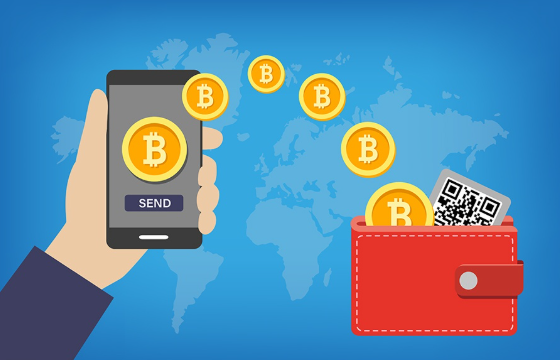
Payment cryptocurrencies are digital assets designed for fast, low-cost peer-to-peer transfers rather than investment. They rely on public ledgers and standardized protocols to enable merchant-friendly payments with minimal intermediaries. Their appeal rests on transfer speed, settlement immediacy, and broad accessibility, yet real-world viability depends on volatility, operating costs, and merchant uptake. As these factors unfold, questions about interoperability and practical use emerge, inviting further examination of how such tokens fit everyday transactions.
What Are Payment Cryptocurrencies? A Quick Foundation
Payment cryptocurrencies are digital assets designed primarily for exchange rather than investment. They operate within a narrow payment niche, prioritizing speed, low fees, and accessibility. A quick foundation emerges from standardized protocols and public ledgers, enabling peer-to-peer transactions without intermediaries. Caution remains about volatility and regulatory shifts, but the objective supports freedom through open, permissionless transfer of value.
See also: businessnewsstory
How They Differ From Other Crypto Assets
How do payment cryptocurrencies stand apart from other crypto assets? These digital forms emphasize transferability and settlement speed over investment narratives, prioritizing practical use rather than store-of-value claims. They rely on streamlined networks, often with mobile wallets and familiar payment rails. Adoption by merchants signals real-world utility, though distinctions remain from non-payment tokens and broader crypto projects. Caution governs claims about universality.
Practical Use: Volatility, Costs, and Merchant Adoption
Practical use hinges on how volatility, transaction costs, and merchant adoption interact to shape real-world utility.
Volatility considerations influence price risk, timing, and budgeting for merchants, while costs affect checkout feasibility and margins.
Merchant adoption signals network viability beyond speculation, guiding consumer trust.
The balance among these factors determines practical uptake, interoperability, and freedom from traditional payment rails.
Getting Started Safely: Wallets, Payments, and Regulation
Initial engagement with payment cryptocurrencies requires a disciplined approach to custody, transaction channels, and compliance. This section outlines prudent practices for wallet security, selecting secure wallets, and safeguarding private keys.
It assesses the regulatory landscape, clarifying compliance risks. It also considers merchant adoption and transaction scalability, highlighting how secure, scalable systems empower user autonomy while limiting exposure to fraud and volatility.
Frequently Asked Questions
Are Payment Cryptocurrencies Legal in My Country?
Are payment cryptos legal in their country? Regulatory compliance varies; jurisdictions differ on recognition, licensing, and consumer protections. The analysis notes that legality hinges on local policies, enforcement approaches, and ongoing regulatory developments, prompting cautious, freedom-oriented consideration of risks.
How Do Merchant Fees Compare Across Networks?
Like a fluctuating tide, merchant fees vary. Network comparisons show Visa/Mastercard-like ecosystems often lower costs than niche rails. For merchant adoption, payment gateways influence prices. Cautious analysis suggests fees depend on volume, settlement terms, and tooling.
Can I Earn Interest on Payment Cryptocurrencies?
Earnings on payment cryptocurrencies may be possible through staking or lending, but investments carry earnings volatility and tax implications; individuals should assess risks, regulatory stance, and platform terms before pursuing such strategies, especially for audiences valuing financial freedom.
Do Merchants Require Exclusive Crypto Payment Gateways?
Yes, merchants do not require exclusive gateways; they may choose multiple providers. Exclusive gateways are unnecessary. Benefits, regulatory considerations, crypto payments acceptance, merchant adoption, volatility risk, settlement speed, network fees, cross border payments, consumer protections.
How Is Consumer Protection Enforced With Crypto Payments?
Consumer protection relies on regulatory frameworks, country compliance, and clear legal status; gateway providers must disclose merchant fees. Compliance reduces risk, while interest earning and staking services depend on jurisdiction, informing users about risk, custody, and protection limits.
Conclusion
In a quiet harbor, payment cryptocurrencies act as swift ships: designed for quick crossings, low tolls, and broad wharf access. Yet their voyage depends on calm seas of volatility, predictable fees, and merchant readiness. Some captains may navigate safely, others drift toward storms of risk or obsolescence. The ledger’s horizon promises practicality, not spectacle. For travelers, prudent routes—stable wallets, compliant guidance, and measured costs—anchor trust as much as propulsion does.