Brisbane Sticker Printing Without the Last Minute Panic
Deadlines have a way of arriving sideways. A stockist confirms shelf space three weeks early. A market organiser moves the date forward. Suddenly the product is ready, and the packaging isn’t, turning Brisbane sticker printing into a rush job instead of a planned step. Rushed orders cost more, offer fewer choices, and leave no room to fix anything that goes sideways. The odd thing is that most of this pressure builds slowly, over weeks, while everyone looks elsewhere.
Planning sounds like dull advice. Perhaps it is. Still, a brand that treats Brisbane sticker printing as a scheduled task rather than a final scramble ends up with better stock, better pricing and a calmer week. Let us break down where the time actually goes, and how to build a timeline that holds up when something shifts.
Why Rushed Orders Quietly Cost More
Speed narrows options. That is the main thing. When a run has to land by Friday, material choices shrink to whatever moves fastest, and the finish you wanted gets swapped for the finish that fits the window.
Quantity suffers too. Panic buying tends to produce small runs, since nobody wants to gamble on volume under pressure. Small runs cost more per sticker because setup work stays roughly constant whether the job is three hundred or three thousand.
Then there is the reorder cycle. Buy small, run out quickly, buy small again. Six weeks later you are paying the premium twice with nothing to show for it.
The Timeline Most Brands Underestimate
Ask someone how long a sticker order takes, and they will usually name the production time. Production is the short part. Everything wrapped around it is longer.
Here is a realistic sequence for a first order:
- Container measurement and sizing decisions take a day or two, mostly because the bottle or jar needs to be physically in hand before anyone commits to dimensions.
- Artwork preparation takes anywhere from a few days to a couple of weeks, depending on whether a designer is involved and how many rounds of feedback happen.
- Sample ordering and assessment add close to a week, since the sample has to arrive, get applied to the actual container, and sit somewhere for a day or two.
- Final file checks take an afternoon if the file is clean and considerably longer if fonts or colour modes need fixing.
- Production and delivery follow, which is the one stage people already account for.
Add that up and a first order sits comfortably in the three- to four-week range. Repeat orders move faster because the groundwork is already in place.
Building Buffer Into Your Reorder Point
Running out of stickers is worse than running out of product, oddly enough. You can’t sell product without labels. Labels without product can wait.
Set a reorder trigger based on remaining stickers, not remaining stock. When the roll drops to a quarter, place the next order. That quarter becomes your buffer against a delayed file, a busy week, or a design change nobody planned for.
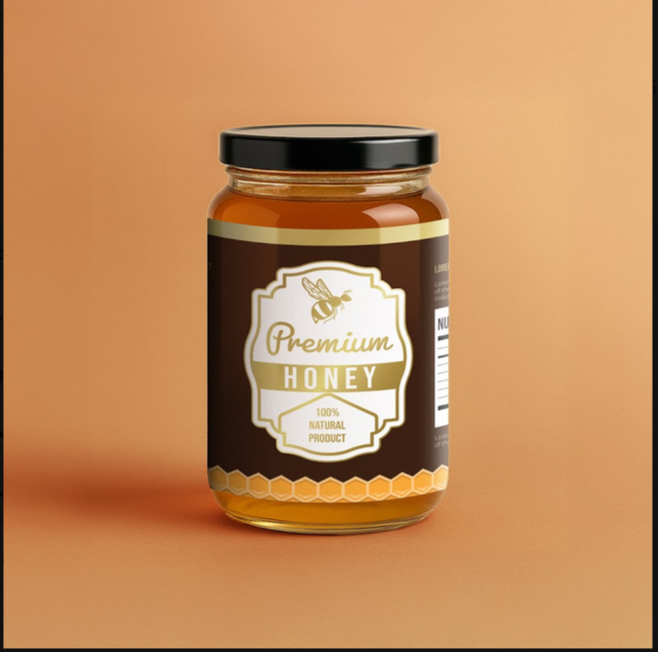
Seasonal brands need a wider gap. A honey producer heading into a busy stretch should order before the season starts, not during it, because that is precisely when nobody has a spare afternoon for artwork revisions.
See also: Up In Flames Clothing Trendy Styles For Modern Wardrobes
Keeping Your Artwork Ready Between Runs
Half the panic in a rushed order comes from hunting for files. Someone left, the designer changed studios, the original vector sits on a laptop nobody can access anymore.
Keep a single folder with the print-ready file, the fonts, the colour references and a note recording the exact dimensions used. Store it somewhere two people can reach.
It sounds obsessive. It saves more time than any other habit in this list, because file archaeology is the one delay you can’t solve by paying extra.
Ordering Sensibly When the Product Range Grows
New variants create a specific trap. A brand with four flavours often orders four separate small runs, each one priced as a small run.
Think about which parts of the design stay constant. A shared base design with a variant name and colour treatment keeps the range coherent, and it lets you plan orders around one production window instead of four scattered ones.
Pricing improves. Shelf presence improves too, since shoppers read a product family far faster than four unrelated ones sitting side by side.
What Calm Ordering Actually Looks Like
The brands that never seem stressed about packaging tend to share a few habits. They measure containers before designing. They order samples as routine, not as insurance. They reorder early. They keep files organised.
None of it is clever. It’s all boring, repetitive administrative work that happens weeks before anyone needs the stickers.
Start Earlier Than Feels Necessary
Most packaging stress is a scheduling problem wearing a printing costume. The press is rarely the bottleneck. The bottleneck is the fortnight spent finding a file, waiting on feedback, and deciding whether the green looks right.
Pick a date. Work backwards from it with generous margins. Then order while the calendar still has room to absorb a surprise, because something usually turns up.