Choosing the Right Shower Door for a Clean, Open Bathroom
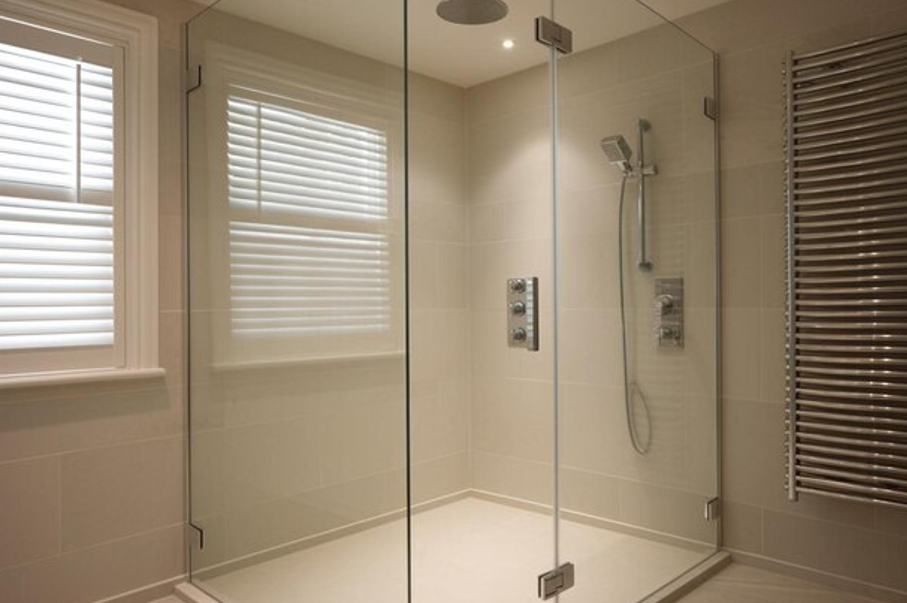
A bathroom can feel noticeably larger when the shower area has a clear view and a well-planned layout. Glass doors help create that effect while keeping water contained and giving the room a polished appearance. A swinging shower door is one option worth considering for bathrooms where the available floor space, door clearance, and overall layout allow for an outward or inward opening panel.
The right shower door is not simply a matter of appearance. Hardware, glass thickness, opening direction, enclosure size, ventilation, and everyday movement all affect how well the finished installation works. A careful selection can make the shower easier to use and simpler to maintain.
Start With the Bathroom Layout
The available space should guide the type of shower door you choose. Measure the shower opening as well as the surrounding area where the door will move. A door that swings outward needs enough clearance to avoid hitting a vanity, toilet, towel rack, or nearby wall.
For smaller bathrooms, the opening direction deserves particular attention. A door that works perfectly in a spacious bathroom may feel awkward when placed beside other fixtures.
Before selecting the door, consider:
- Width and height of the shower opening
- Distance between the shower and nearby fixtures
- Available clearance outside the enclosure
- Position of the showerhead
- Location of drains and thresholds
- Wall surfaces available for mounting hardware
Accurate measurements also help the installer determine whether the existing opening can accommodate the selected enclosure.
Glass Changes the Feel of the Room
Clear glass is often chosen for its ability to maintain an open visual connection between the shower and the rest of the bathroom. Instead of creating a solid visual barrier, transparent glass allows tile patterns, wall colors, and other design elements to remain visible.
Privacy is another consideration. Frosted, textured, or patterned glass can provide more visual separation while still allowing natural or artificial light to pass through.
The glass surface also influences maintenance. Smooth clear glass can be easy to wipe down, while textured designs may require more attention around their patterns and finishes. Some homeowners also choose protective glass treatments designed to make water spots and mineral buildup easier to manage.
Think About the Hardware
Hinges, handles, brackets, and other hardware contribute to both the appearance and function of a shower enclosure. Finishes can be selected to coordinate with faucets, cabinet pulls, towel bars, and lighting fixtures.
Popular hardware finishes include:
- Chrome for a bright, traditional appearance
- Brushed nickel for a softer metallic finish
- Matte black for stronger contrast
- Brushed brass for a warmer decorative touch
- Stainless steel for a simple, durable look
The hardware should also be appropriate for the weight and configuration of the glass. Proper installation matters because hinges and mounting points carry repeated loads every time the door opens and closes.
A simple handle can create a clean appearance, while larger or more decorative hardware may suit bathrooms with traditional or statement-oriented designs.
Opening Direction Matters More Than It Seems
Door movement affects the entire bathroom. Before installation, determine where the door will open and whether the path remains clear during normal use.
An outward-opening door is often convenient because it keeps the bathroom entrance to the shower unobstructed, but it requires sufficient exterior clearance. An inward-opening configuration may conserve some exterior floor space, depending on the enclosure design and local installation requirements.
The location of the hinges can also affect how the door interacts with fixed glass panels and walls. These details should be resolved during planning rather than after the glass has been ordered.
Match the Door to the Enclosure
A shower door rarely works in isolation. Its design needs to fit the enclosure around it. A frameless enclosure creates a light, minimal appearance with fewer visible metal components. Semi-frameless designs use some framing while retaining a relatively open appearance. Framed systems provide a more defined structure and may suit certain bathroom layouts or design preferences.
The enclosure style can also affect cleaning. Fewer frame components may mean fewer edges and channels where moisture and residue can collect. However, every glass configuration has specific installation and maintenance requirements.
When selecting an enclosure, consider:
- Overall bathroom style
- Shower opening dimensions
- Amount of visible framing
- Type and position of hardware
- Cleaning requirements
- Available wall support
- Door clearance
At this stage, working with an experienced glass professional can help connect the design choice with the actual dimensions of the bathroom. Luxurious Glass LLC is one example of a glass company that can help homeowners consider enclosure configuration, glass selection, and hardware details as part of a bathroom project.
Safety Should Stay at the Center
Bathroom glass needs to be selected and installed with safety in mind. Shower enclosures use specially manufactured safety glass designed for applications where breakage could otherwise create a serious hazard.
The surrounding structure must also be suitable for the installation. Hardware should be secured to appropriate mounting points, and the enclosure should be installed according to the glass manufacturer’s specifications and applicable building requirements.
A few installation considerations deserve attention:
- Use glass intended for shower enclosure applications
- Confirm that hinges and mounting hardware are properly rated
- Check that wall surfaces can support the selected configuration
- Make sure door movement does not create an obstruction
- Inspect seals and hardware after installation
- Follow the manufacturer’s cleaning and maintenance instructions
A shower door is a functional part of the bathroom that is opened, closed, touched, and exposed to moisture every day, so proper installation should not be treated as an afterthought.
Maintenance Starts With Daily Habits
Even high-quality glass benefits from regular care. Water droplets left on the surface can dry into mineral deposits, particularly in areas with hard water. Soap residue can also accumulate around edges and hardware.
A simple maintenance routine can include:
- Wiping water from the glass after showers
- Cleaning the glass with a suitable non-abrasive product
- Keeping tracks, seals, and edges free of buildup
- Checking handles and hinges periodically
- Addressing loose hardware promptly
- Following recommendations for any protective glass coating
Harsh abrasive cleaners can damage certain finishes or glass treatments, so cleaning products should always be compatible with the materials being maintained.
Design Details Can Tie the Bathroom Together
A shower enclosure can reinforce the visual style of the rest of the room. A bathroom with light tile and simple fixtures may suit clear glass with understated hardware. A darker bathroom may pair well with contrasting hardware, while traditional spaces can accommodate more decorative details.
Glass also works particularly well when homeowners want to showcase tilework. A carefully installed enclosure can keep attention on patterned walls, niche shelving, stone surfaces, or accent tiles rather than visually dividing the room.
Small details can make the finished enclosure feel more connected to the rest of the bathroom:
- Coordinate the hardware with existing fixtures
- Match glass style with the bathroom’s level of privacy
- Consider how tile patterns will appear through the glass
- Keep handle placement convenient for daily use
- Select finishes that complement rather than compete with the décor
Plan Before Ordering the Glass
Custom glass installations require accurate information. Wall conditions, opening dimensions, angles, tile thickness, and hardware placement can all affect the final product.
It is useful to review the complete design before fabrication begins. Confirm the glass type, enclosure configuration, hardware finish, handle placement, door swing, and installation requirements. This planning stage can prevent practical problems later.
A bathroom renovation also provides an opportunity to consider ventilation. Good airflow helps reduce persistent moisture and supports the long-term condition of walls, grout, seals, and hardware.
See also: Software Outsourcing Companies in the USA
A Practical Upgrade With Lasting Impact
A well-planned shower door can improve how a bathroom looks and functions without requiring a complete renovation. The most suitable choice depends on the room’s measurements, available clearance, enclosure style, glass preferences, hardware, and daily maintenance needs.
Careful planning is especially useful for custom installations because small measurement or clearance issues can affect the finished result. Homeowners can review their bathroom layout, compare glass and hardware options, and work with a qualified installer before making the final selection.
For professional guidance on shower glass, enclosure design, and installation options, contact us today to discuss your bathroom project and determine an option suited to your space.