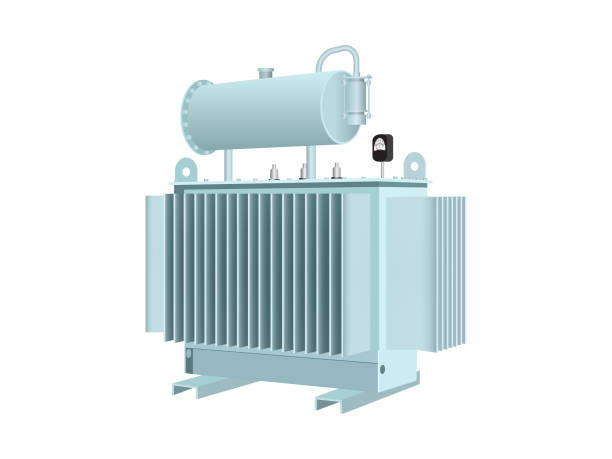
15kVA Single Phase Transformer: Reliable Solutions for Power Distribution
Reliable electricity distribution is essential for residential properties, commercial facilities, industrial equipment, and specialized electrical systems. A transformer plays an important role in this process by transferring electrical energy between circuits while changing voltage levels to meet the requirements of connected equipment. Among the various transformer ratings available, a 15kVA single phase transformer can be a practical choice for applications that require moderate electrical capacity and dependable voltage transformation.
Designed for single-phase electrical systems, a 15kVA transformer can help provide a stable power supply while supporting efficient distribution. Choosing the right transformer requires an understanding of its capacity, voltage requirements, installation environment, efficiency, and operating conditions.
What Is a 15kVA Single Phase Transformer?
A transformer is an electrical device that transfers energy between circuits through electromagnetic induction. It can increase or decrease alternating current voltage while maintaining the same frequency.
A 15kVA single phase transformer has a rated apparent power capacity of 15 kilovolt-amperes (kVA). The “single phase” designation means that the transformer is designed to operate with a single-phase electrical supply.
See also: Affordable Low Deposit Home Loans with Convenient Repayment Options
Understanding the 15kVA Rating
The kVA rating represents the apparent power that a transformer can handle under specified operating conditions. Unlike a rating expressed only in kilowatts, kVA accounts for both real power and reactive power.
For example, if a system operates at a 0.8 power factor, a 15kVA transformer would theoretically correspond to approximately 12kW of real power under those conditions:
15 kVA × 0.8 = 12 kW
The actual usable capacity depends on the transformer’s design, load characteristics, temperature, installation conditions, and applicable standards.
Primary and Secondary Voltage
A transformer has a primary winding connected to the incoming electrical supply and a secondary winding connected to the load. The voltage relationship between these windings depends on the transformer’s turns ratio.
A 15kVA transformer can be manufactured with different primary and secondary voltage configurations. Therefore, the kVA rating alone is not enough to select a transformer. The required input and output voltages must also match the electrical system.
How a Single Phase Transformer Works
The operating principle of a transformer is based on electromagnetic induction. Alternating current flowing through the primary winding produces a changing magnetic field within the transformer core.
This changing magnetic field induces a voltage in the secondary winding. The voltage level depends largely on the ratio of turns between the primary and secondary windings.
Step-Down and Step-Up Transformers
A step-down transformer reduces voltage from the primary side to a lower secondary voltage. These transformers are commonly used when electrical equipment requires a lower voltage than the available supply.
A step-up transformer does the opposite, increasing the secondary voltage relative to the primary voltage.
For many power distribution applications, step-down configurations are particularly useful because they can deliver an appropriate voltage level to equipment and local electrical systems.
The Role of the Transformer Core
The transformer core provides a low-reluctance path for magnetic flux. Core construction and material selection have a direct impact on transformer efficiency and energy losses.
Modern transformers commonly use specialized electrical steel designed to reduce core losses. Proper core design helps support efficient operation and can contribute to reliable long-term performance.
Applications of a 15kVA Single Phase Transformer
A 15kVA single phase transformer can be used across various electrical applications where its voltage configuration and capacity match the system requirements.
Residential and Building Applications
In certain residential, commercial, and building-related applications, transformers can be used to provide the appropriate voltage for lighting, appliances, control systems, and other electrical loads.
A 15kVA capacity may be suitable for smaller electrical systems, auxiliary power requirements, or dedicated equipment, provided the expected load remains within the transformer’s specifications.
Commercial Equipment
Businesses may use single-phase transformers for equipment that requires a specific voltage level. Examples can include HVAC controls, lighting systems, machinery, instrumentation, and other electrical equipment.
Before installation, electrical professionals should calculate the expected load and verify compatibility with the transformer’s voltage and current ratings.
Industrial and Control Systems
Some industrial systems use transformers to supply control circuits, machinery, automation equipment, or specialized electrical components.
A dedicated transformer can help separate certain circuits and provide the voltage required by control equipment. In industrial environments, factors such as temperature, dust, moisture, vibration, and available installation space should be considered when selecting a transformer.
Key Factors When Choosing a 15kVA Transformer
Selecting the appropriate transformer involves more than choosing a kVA rating. Several technical factors should be reviewed before purchasing or installing a unit.
Voltage and Frequency
The primary and secondary voltage ratings must correspond to the electrical system. The transformer’s frequency rating must also match the supply frequency.
Using equipment outside its specified voltage or frequency range can result in overheating, reduced performance, or premature failure.
Load Requirements
The expected electrical load should be calculated before selecting a transformer. Engineers and electricians may evaluate the connected load, demand factors, power factor, and expected future expansion.
Operating a transformer continuously at or near its maximum capacity can increase thermal stress. Selecting an appropriately sized unit can provide a suitable operating margin.
Efficiency and Energy Losses
Transformers experience several types of losses, including core losses and winding losses. Although individual losses may seem small, they can accumulate over years of operation.
An efficient transformer can help reduce wasted energy and operating costs. Buyers should review efficiency specifications and applicable energy-efficiency requirements when comparing transformer models.
Installation and Maintenance Considerations
Correct installation is essential for safe and reliable transformer operation. Installation requirements vary according to transformer design, voltage levels, enclosure type, location, and applicable electrical codes.
Proper Ventilation
Transformers generate heat during normal operation. Adequate ventilation and appropriate clearances can help dissipate heat and prevent excessive operating temperatures.
The installation environment should be evaluated to determine whether the transformer requires additional cooling or protection.
Electrical Protection
Appropriate protective equipment may include circuit breakers, fuses, grounding systems, and other components selected according to the electrical design.
Protection should be coordinated with the transformer and connected load. Installation and servicing should be performed by appropriately qualified electrical professionals.
Routine Inspection
Regular inspections can help identify developing problems. Maintenance may include checking connections, inspecting enclosures, monitoring operating temperatures, and looking for signs of overheating, corrosion, unusual noise, or physical damage.
The specific maintenance schedule should follow the manufacturer’s recommendations and the requirements of the installation.
Benefits of Using a 15kVA Single Phase Transformer
A properly selected 15kVA single phase transformer can provide several advantages for suitable applications.
Reliable Voltage Conversion
The primary purpose of a transformer is to provide the required voltage transformation. A correctly specified unit can deliver dependable power to compatible loads.
Flexible Application
The 15kVA rating can be useful for various smaller-scale electrical and equipment applications where a larger transformer would be unnecessary.
Efficient Power Distribution
Modern transformer designs can achieve high efficiency when operated under appropriate conditions. Efficient operation can help reduce energy losses and support lower long-term operating costs.
Long Service Life
Transformers can provide many years of service when properly specified, installed, protected, and maintained. Avoiding excessive loading and maintaining suitable operating temperatures are important for long-term reliability.
Safety and Compliance
Electrical transformers involve potentially hazardous voltages and should be handled with appropriate care. Installation, inspection, testing, and repairs should be performed by qualified personnel.
Follow Applicable Standards
Transformer specifications should comply with relevant electrical standards and regulations for the intended application. Depending on the location and installation type, different national, regional, or industry standards may apply.
Documentation should be reviewed before installation to verify ratings, clearances, connection requirements, grounding, and protection requirements.
Avoid Overloading
Operating a transformer beyond its rated capacity can cause excessive heat and accelerate insulation deterioration. Load monitoring can help identify situations where capacity is being exceeded.
If additional equipment is expected to be added in the future, engineers should consider future demand when selecting transformer capacity.
Conclusion
A 15kVA single phase transformer can provide a dependable solution for electrical systems that require moderate power capacity and specific voltage conversion. By transferring electrical energy through electromagnetic induction, the transformer can step voltage up or down while supporting efficient power distribution.
Choosing the right transformer requires careful consideration of primary and secondary voltage, frequency, load requirements, efficiency, installation environment, protection, and applicable standards. Proper installation and routine maintenance are equally important for achieving reliable performance and extending equipment life.
Whether used in residential, commercial, industrial, or specialized applications, a 15kVA single phase transformer can be an effective component of a well-designed electrical distribution system when its specifications are correctly matched to the intended load and operating conditions.