Blower Motor Resistor: Symptoms, Causes and Replacement Guide
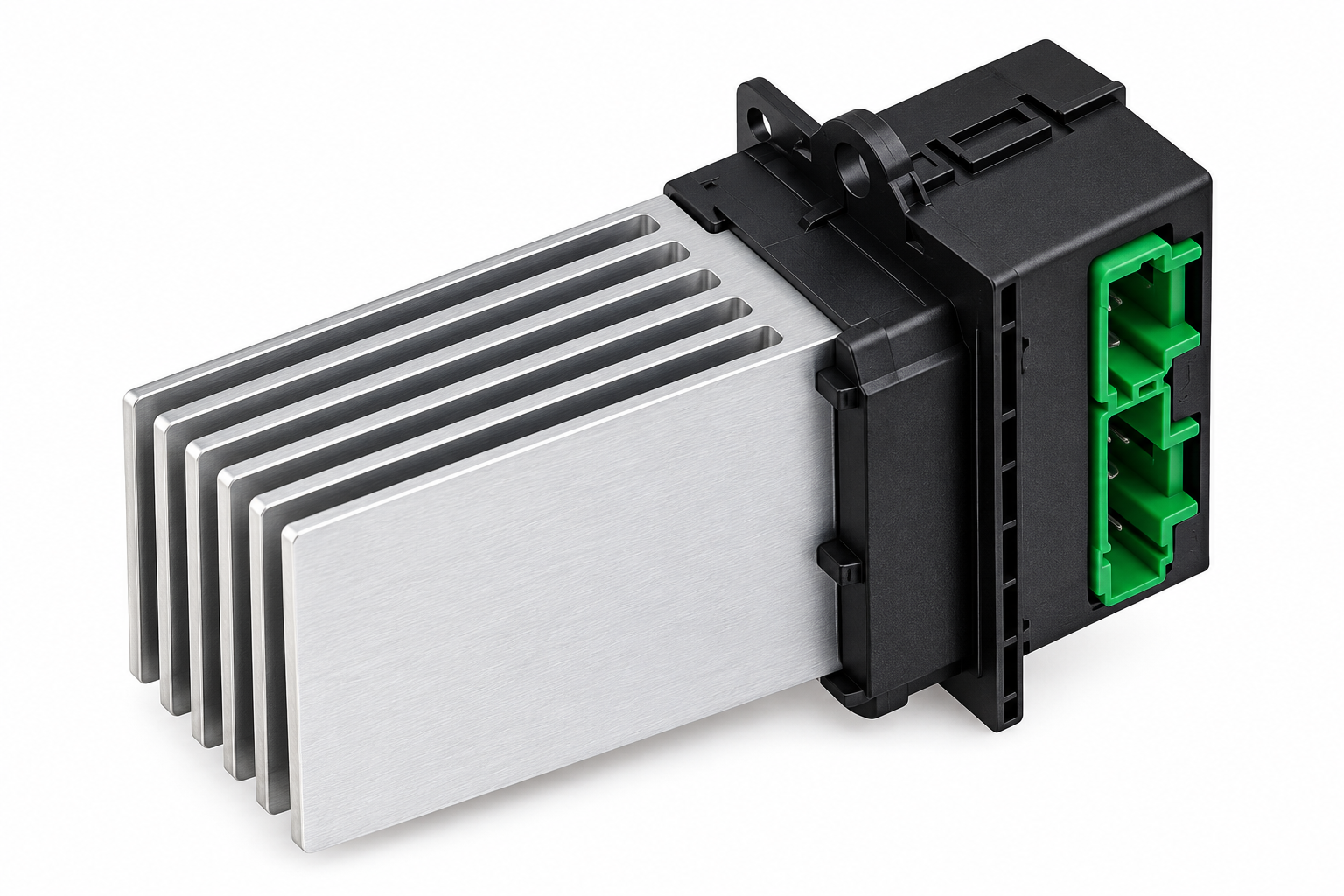
The heating and air-conditioning system in a vehicle depends on several electrical components working together. One small part that can cause noticeable problems is the blower motor resistor. It controls the electrical current reaching the cabin blower motor, allowing the fan to operate at different speeds.
When this component develops a fault, the fan may work on only one setting, stop working at certain speeds, or fail altogether. Understanding the signs of failure can help drivers identify the problem before replacing parts unnecessarily.
What Does a Blower Motor Resistor Do?
The blower motor resistor regulates the speed of the cabin fan. Most vehicles provide several fan-speed settings, from a low setting through to maximum speed. Different levels of electrical resistance are used to reduce or control the voltage supplied to the blower motor.
On lower settings, the resistor limits the electrical current reaching the motor. At the highest setting, the circuit may bypass much of the resistance so the motor receives a stronger electrical supply.
This simple arrangement allows drivers to adjust airflow according to the conditions inside the vehicle. A functioning resistor therefore has a direct effect on the usability of the heating and ventilation system.
The exact design varies between vehicles. Some newer models use electronic control modules rather than traditional resistor packs, so the correct replacement depends on the vehicle’s make, model, year and climate-control system.
See also: Smart Boat Maintenance Strategies for Reliable Performance and Long-Term Value
Common Signs of a Faulty Resistor
A resistor does not always fail completely. It can develop an electrical fault that affects only certain fan settings.
One of the most recognisable symptoms is a blower fan that operates on only one speed. For example, the fan might work on high but remain inactive on low, medium or intermediate settings. This often points towards a problem within the resistor circuit.
Another common sign is intermittent fan operation. The blower may work normally at one moment and stop unexpectedly later. Loose electrical connections, damaged wiring or excessive heat around the resistor can contribute to this type of behaviour.
A fan that works only on lower settings can also indicate a fault elsewhere in the circuit. The resistor should therefore be tested rather than replaced based solely on the symptom.
Reduced airflow can have several causes as well. A blocked cabin air filter, restricted air ducts or a worn blower motor may produce similar results. Checking the entire ventilation system helps prevent an incorrect diagnosis.
Why These Components Fail
Heat is one of the main factors affecting traditional resistor assemblies. Electrical resistance generates heat, and the resistor is normally positioned in the airflow path so that it can remain within a suitable operating temperature range.
If airflow across the resistor is restricted, excessive heat can build up. A blocked cabin filter or problems with the blower motor may increase the strain placed on the circuit.
Age and repeated electrical cycling can also contribute to failure. Over time, resistor elements, connectors and surrounding wiring may deteriorate.
A blower motor drawing more current than it should can create another problem. If the motor has worn bearings or internal electrical faults, it may place additional load on the resistor and cause a replacement component to fail prematurely.
For that reason, replacing the resistor without checking the blower motor may only provide a temporary fix.
Checking the Electrical Circuit
Proper diagnosis starts with identifying the exact fan-speed symptoms. A technician can check which settings work and which ones do not before testing the relevant electrical components.
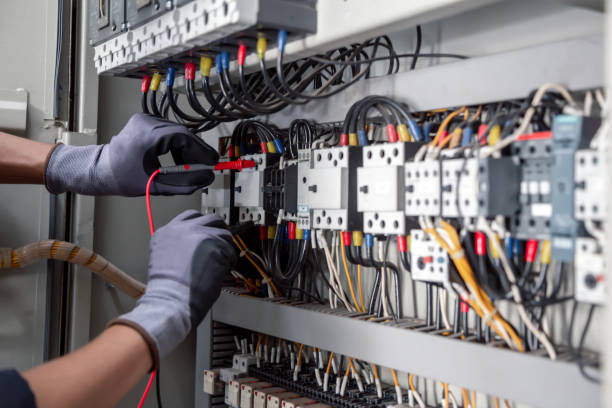
The resistor can then be inspected for visible damage, burnt sections, corrosion or damaged terminals. Electrical testing can help determine whether the resistance values are within the manufacturer’s specified range.
The wiring and connectors should also be checked. A damaged connector can create resistance in the wrong part of the circuit, producing heat and unreliable operation.
Fuses and related control components should not be overlooked either. A blown fuse can prevent the blower from operating, although replacing a fuse without finding the reason it failed may lead to another failure.
Vehicle-specific wiring diagrams and manufacturer specifications are useful because blower circuits differ considerably between models.
Blower Motor Resistor vs Other Blower Components
The resistor is only one part of the ventilation circuit. The blower motor itself physically moves air through the heating and air-conditioning system. The fan switch or climate-control system determines the requested speed, while wiring and connectors carry electrical power between the components.
A problem with any of these parts can produce similar symptoms.
For example, a completely inactive fan may be caused by a failed motor, fuse, relay, control module or wiring fault rather than the resistor. A fan that operates only at maximum speed is more closely associated with certain resistor faults, but testing is still necessary before reaching a conclusion.
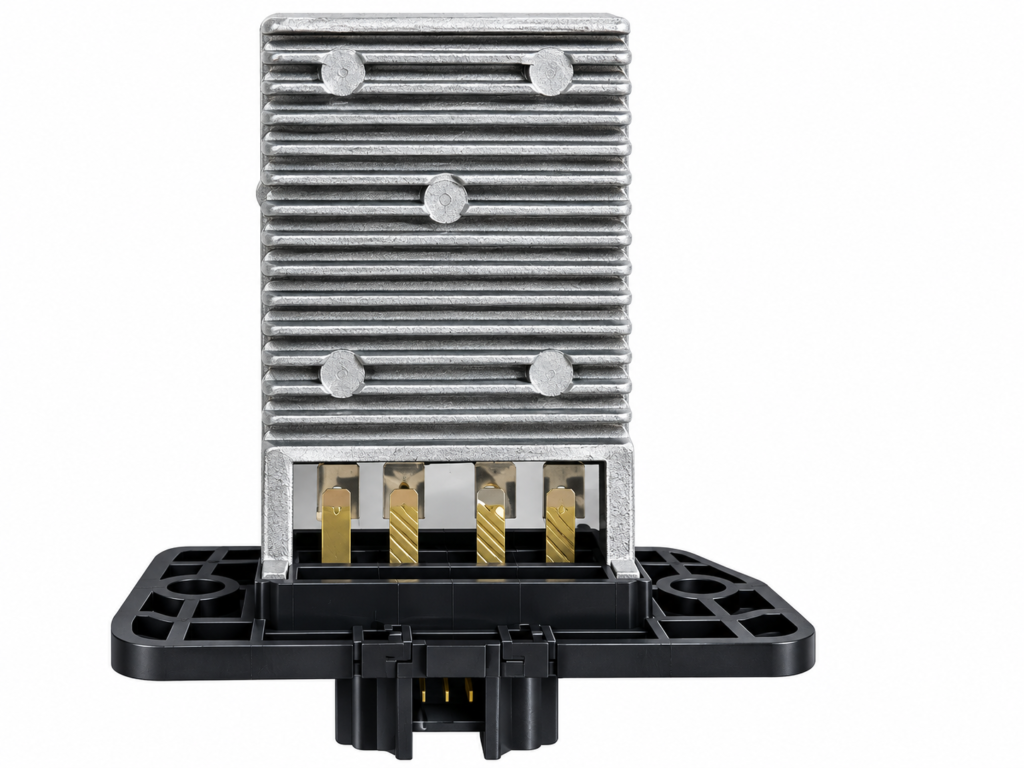
Some vehicles use a blower motor fan resistor positioned near the blower assembly. Its location is designed partly around cooling requirements, so replacement access varies considerably between vehicle models.
Choosing the Correct Replacement
Replacement parts should match the vehicle’s specifications rather than being selected solely by appearance. Differences in resistance values, connector design, mounting arrangement and electrical ratings can affect operation.
Checking the vehicle identification information before purchasing a component reduces the chance of receiving an incompatible part.
It is also sensible to inspect the connector and wiring before fitting a new resistor. If the connector shows signs of melting or heat damage, simply installing another resistor may not solve the underlying problem.
A replacement should be installed according to the vehicle manufacturer’s service instructions. Access may require removal of trim panels, glovebox components or other parts surrounding the blower housing.
Preventing Repeat Failures
There is no universal maintenance schedule for resistor replacement because service life depends on vehicle design, operating conditions and the condition of related components.
Keeping the cabin air filter in good condition can help maintain proper airflow through systems that use the filter to support blower-component cooling. The blower motor should also be checked if it becomes unusually noisy, slow or difficult to start.
Electrical connectors deserve attention during servicing, particularly if there are signs of corrosion, overheating or loose terminals.
A new resistor that fails soon after installation deserves further investigation. Repeated failures may indicate excessive current draw from the blower motor, restricted airflow, wiring problems or another electrical fault.
Getting the Fault Diagnosed Correctly
Fan-speed problems can be frustrating because several components share the same circuit. Replacing parts based only on symptoms can result in unnecessary expense and leave the original fault unresolved.
A proper inspection considers the fan-speed behaviour, electrical supply, wiring, connectors, blower motor and resistor circuit together. Vehicle-specific service information can then be used to confirm the required readings and replacement procedure.
Understanding how the ventilation circuit works makes it easier to recognise unusual fan behaviour and seek appropriate repairs. A small electrical component can have a noticeable effect on cabin comfort, but accurate testing is the best way to determine whether it is responsible for the fault.