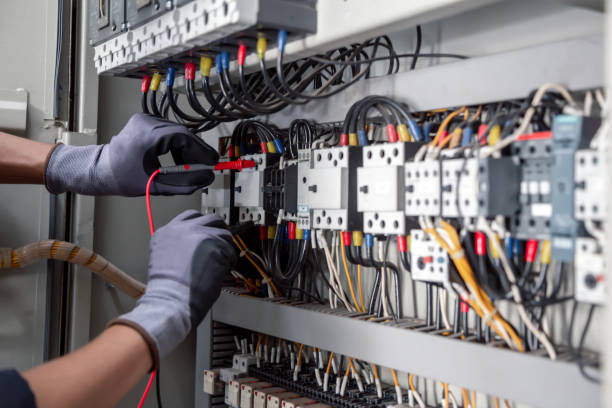
Why Businesses Need Professional Commercial Electrical Contractors
Electrical systems are essential to almost every modern business. Lighting, computers, machinery, heating and cooling systems, security equipment, communication devices, and other workplace systems all depend on reliable electricity. When electrical problems occur, they can interrupt operations, damage equipment, create safety hazards, and affect productivity. This is why many organisations rely on professional commercial electrical contractors for electrical installations, maintenance, repairs, upgrades, and inspections.
Commercial electrical work is often more complex than residential electrical work because business properties can contain larger electrical systems, more equipment, multiple circuits, and specialised requirements. Professional contractors can assess these systems and carry out electrical work using appropriate procedures and safety practices.
What Are Commercial Electrical Contractors?
Commercial electrical contractors are qualified professionals who work on electrical systems in business and commercial environments. Their work can include new electrical installations, repairs, upgrades, maintenance, inspections, lighting systems, power distribution, and other electrical requirements.
See also: Finding Reliable Roofers in Central Coast: Key Things to Consider
Working With Complex Electrical Systems
Commercial properties may have extensive electrical networks serving offices, retail spaces, warehouses, restaurants, workshops, industrial areas, and other facilities. These systems can include distribution boards, circuits, lighting, outlets, machinery connections, emergency systems, and other electrical components.
Professional contractors understand how these components interact and can assess electrical requirements before carrying out work.
Supporting Different Types of Businesses
Electrical requirements vary considerably between businesses. An office may require reliable power for computers and communication equipment, while a commercial kitchen may have high-demand appliances and specialised electrical circuits.
Professional electrical contractors can assess the specific environment and determine suitable solutions based on the property’s requirements.
Improving Workplace Electrical Safety
One of the main reasons businesses use professional electrical contractors is to reduce electrical safety risks.
Identifying Electrical Hazards
Electrical faults can result from damaged wiring, overloaded circuits, poor connections, faulty equipment, deteriorating components, or inappropriate installations. Some problems may not be immediately visible.
Professional inspections can help identify potential hazards and recommend appropriate corrective measures.
Maintaining Safe Electrical Systems
Regular maintenance can help businesses identify problems before they become more serious. Electrical components can deteriorate through age, frequent use, environmental conditions, or physical damage.
Planned maintenance provides an opportunity to inspect relevant components and address issues that could affect safety or reliability.
Supporting Reliable Business Operations
Electricity is fundamental to daily business activities. An unexpected electrical fault can cause equipment to stop working and may interrupt normal operations.
Reducing Unplanned Disruptions
Routine inspections and maintenance can help identify potential electrical problems before they result in unexpected failures. Although maintenance cannot eliminate every electrical issue, it can help reduce avoidable disruptions.
Businesses that depend on continuous electrical operation may particularly benefit from a structured maintenance approach.
Protecting Essential Equipment
Electrical problems can affect sensitive equipment and machinery. Voltage issues, faulty circuits, poor connections, and other electrical faults may contribute to equipment damage.
Professional electrical assessments can help identify problems within the electrical system and determine whether improvements are required.
Professional Electrical Installation
New electrical installations should be properly planned to accommodate the needs of the business and the building.
Planning Electrical Capacity
Businesses may add equipment, expand workspaces, install additional lighting, or introduce new technology over time. These changes can increase electrical demand.
Before adding significant loads, an electrical assessment can help determine whether the existing system has sufficient capacity or whether upgrades may be necessary.
Correct Installation Practices
Professional contractors understand the requirements associated with commercial electrical installations. They can plan circuits, select appropriate components, install equipment, and test systems as required.
Proper installation can also make future maintenance and troubleshooting easier.
Supporting Business Growth and Renovations
Business premises often change as organisations grow. Renovations, extensions, office reconfigurations, and equipment upgrades can all affect electrical requirements.
Adapting Existing Electrical Systems
A change in building layout may require additional outlets, lighting, circuits, or other electrical work. Simply adding equipment without considering the existing system can create unnecessary risks.
Professional contractors can assess the current installation and determine what modifications may be appropriate.
Electrical Work During Renovations
Electrical work is often an important part of commercial renovation projects. Contractors can coordinate electrical installations with other building activities and help ensure that new systems are integrated appropriately.
Planning electrical work early can also reduce the likelihood of delays later in a renovation project.
Commercial Lighting Solutions
Lighting affects visibility, safety, comfort, and the overall functionality of a commercial space.
Improving Workplace Visibility
Poor lighting can make it difficult for employees and visitors to perform tasks safely. Professional electrical contractors can assess lighting requirements and install suitable fixtures and controls.
Different areas may require different lighting arrangements depending on their purpose and use.
Maintaining Lighting Systems
Faulty lights, damaged fittings, and electrical problems can reduce workplace visibility. Regular maintenance can help identify these issues and keep lighting systems operating effectively.
Electrical Repairs and Fault Finding
Electrical faults can be difficult to diagnose without appropriate knowledge and equipment.
Finding the Source of Electrical Problems
A recurring power interruption may have several possible causes. The problem could involve a circuit, connection, electrical component, or connected equipment.
Professional contractors can investigate the system systematically rather than relying on assumptions.
Addressing Problems Safely
Attempting to repair commercial electrical systems without appropriate training can create additional hazards. Professional contractors have the knowledge and equipment required to investigate and address electrical faults using suitable safety procedures.
Supporting Compliance Requirements
Businesses have responsibilities relating to workplace and building safety, and electrical systems may be subject to applicable regulations, standards, and inspection requirements.
Understanding Applicable Requirements
Electrical requirements can vary depending on the property, its use, the electrical installation, and local regulations. Professional contractors can help businesses understand the electrical aspects that apply to their projects and maintenance activities.
Maintaining Appropriate Documentation
Electrical work may require records relating to inspections, testing, maintenance, installations, or repairs. Keeping accurate documentation can help businesses track completed work and plan future maintenance.
Emergency Electrical Services
Some electrical problems require immediate attention because they can affect business operations or create safety concerns.
Responding to Electrical Faults
Unexpected power failures, damaged electrical components, exposed wiring, burning smells, repeated circuit trips, or other unusual conditions can indicate an electrical problem.
Professional assistance can help businesses investigate these issues and determine the appropriate course of action.
Preventing Further Damage
When an electrical fault occurs, continuing to operate affected equipment may increase the risk of additional damage. A professional assessment can help identify the affected area and determine what needs to be repaired or isolated.
Long-Term Electrical Maintenance
Electrical systems require ongoing care rather than attention only when something goes wrong.
Planned Maintenance
A planned maintenance schedule can include inspections, testing, component checks, lighting maintenance, and other relevant services. The frequency and scope should depend on the type and condition of the electrical installation.
Identifying Future Upgrade Needs
Regular electrical assessments can also reveal systems or components that may eventually need upgrading. Addressing ageing or inadequate equipment as part of a planned process may be more manageable than waiting for a major failure.
Choosing the Right Commercial Electrical Contractors
Businesses should consider several factors when selecting an electrical contractor.
Qualifications and Experience
Look for professionals with appropriate qualifications, licences, and experience relevant to commercial electrical work. Experience with similar property types or electrical systems can also be valuable.
Clear Communication
A professional contractor should clearly explain the work required, potential issues, safety considerations, and expected outcomes. Good communication helps businesses make informed decisions about electrical projects.
Safety-Focused Approach
Electrical work should always be approached with safety as a priority. Contractors should follow appropriate procedures and applicable requirements throughout installation, maintenance, inspection, and repair work.
Conclusion
Professional commercial electrical contractors play an important role in keeping business electrical systems safe, reliable, and suitable for ongoing operations. From installations and repairs to maintenance, lighting, fault finding, upgrades, and compliance support, professional electrical services can address many of the challenges businesses face.
Regular electrical maintenance and professional inspections can help identify potential problems early, while careful planning can ensure electrical systems keep pace with changes in business needs. By treating electrical work as an ongoing responsibility rather than an occasional task, businesses can support safer workplaces, protect important equipment, and maintain dependable day-to-day operations.