Dental Implants for Single Tooth: Understanding the Recovery Process
Replacing a missing tooth can help restore your smile, chewing ability and confidence. Among the available tooth replacement options, dental implants provide a fixed solution that is designed to replace both the missing tooth and its root. However, understanding the recovery process is an important part of deciding whether implant treatment is right for you.
Dental Implants for Single Tooth typically involve several stages, including implant placement, healing and attachment of the final restoration. Although the procedure itself may be completed relatively quickly, the surrounding bone and gum tissue need time to heal properly.
What Happens During Single-Tooth Implant Treatment?
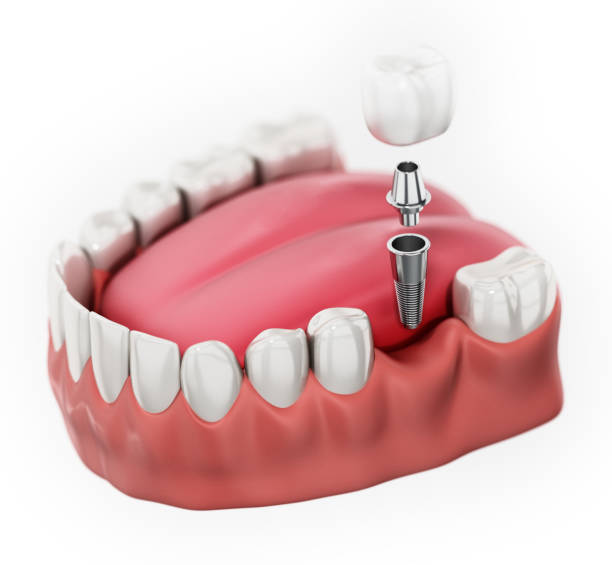
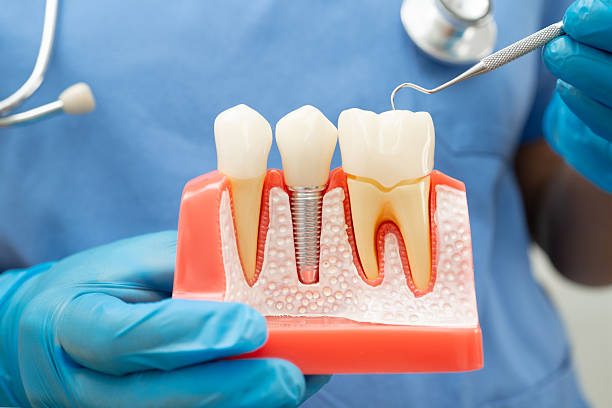
A single-tooth dental implant consists of an implant fixture, an abutment and a dental crown. The implant fixture is placed into the jawbone and acts as an artificial tooth root. Once it has healed and integrated with the bone, the abutment connects the implant to the final crown.
The treatment process generally includes:
- Initial dental examination and imaging
- Treatment planning
- Implant placement
- Healing and osseointegration
- Abutment placement
- Final crown placement
The exact timeline can vary depending on oral health, bone condition and individual healing.
See also: Essential Gutter Repair in Central Coast Tips for Property Owners
What to Expect Immediately After Implant Placement
The first few days are an important part of recovery. Some patients may experience temporary swelling, tenderness or minor discomfort around the treatment area.
Your dental professional will provide specific aftercare instructions based on your procedure. Following these recommendations can help protect the surgical site while the initial healing takes place.
Managing Temporary Discomfort
Any discomfort following implant placement can vary from person to person. Your dental professional may recommend appropriate pain-management measures.
It is important to take medications only as directed and contact your dental professional if pain becomes severe, persistent or unusual.
Eating After Treatment
Your dentist may recommend soft foods during the initial recovery period. Foods that require significant chewing or place pressure on the implant area may need to be avoided temporarily.
As healing progresses, you can gradually return to your usual diet according to your dental professional’s guidance.
The First Week of Recovery
During the first week, the gums around the implant begin to heal. Swelling and tenderness generally improve as the days pass.
Maintaining good oral hygiene remains important, but the treatment area should be cleaned according to the instructions provided by your dental professional.
Patients should also avoid unnecessarily touching or disturbing the implant site.
Osseointegration: The Key Healing Stage
One of the most important parts of Dental Implants for Single Tooth treatment is osseointegration.
Osseointegration occurs when the implant gradually integrates with the surrounding jawbone. This creates a stable foundation for the eventual dental crown.
Unlike the initial gum healing, this process can take several weeks or months. The exact timeframe depends on factors such as bone quality, implant location and individual healing.
Why Is Osseointegration Important?
The implant needs to become sufficiently stable before it can reliably support the final restoration.
Your dental professional will monitor the healing process through follow-up appointments and determine when the implant is ready for the next stage.
What Happens During Follow-Up Appointments?
Follow-up appointments allow your dental professional to assess the implant and surrounding tissues.
During these visits, they may check:
- Healing of the gum tissue
- Implant stability
- Condition of the surrounding teeth
- Oral hygiene
- Signs of inflammation or other complications
Regular follow-up care is important because it allows potential concerns to be identified and addressed promptly.
When Is the Permanent Crown Placed?
Once the implant has sufficiently healed and integrated with the jawbone, the next stage is usually the placement of the permanent crown.
Abutment Placement
An abutment connects the implant fixture to the dental crown. Depending on the treatment approach, it may be placed at the same time as the implant or during a later appointment.
Custom Crown
The final crown is designed to fit the implant and complement the surrounding teeth. The dentist considers factors such as size, shape, colour and bite when planning the restoration.
Once fitted, the crown provides the visible replacement for the missing tooth.
Factors That Can Affect Recovery
Recovery times are not identical for everyone. Several factors can influence how quickly the mouth heals.
Bone Quality
The condition and density of the jawbone can affect implant stability and the overall healing process. Patients with significant bone loss may require additional procedures before or during implant treatment.
Gum Health
Healthy gums provide an important environment for implant treatment. Existing gum disease may need to be managed before implant placement.
Oral Hygiene
Keeping the mouth clean according to professional instructions can support healthy gums around the implant.
Lifestyle Factors
Certain lifestyle habits can affect healing. Your dental professional may provide specific recommendations based on your circumstances.
Caring for Your Single Dental Implant Long Term
Recovery does not end when the final crown is attached. Long-term maintenance is essential for protecting the implant, surrounding gums and remaining natural teeth.
Good daily care may include:
- Brushing twice a day
- Cleaning between teeth and around the implant
- Attending regular dental check-ups
- Following professional cleaning recommendations
- Avoiding habits that could damage the crown
- Reporting unusual changes promptly
Although an implant cannot develop tooth decay like a natural tooth, the surrounding gum tissue can still be affected by poor oral hygiene.
When Should You Contact Your Dentist?
Some temporary discomfort can occur during normal recovery, but certain symptoms should be discussed with your dental professional.
Contact your dentist if you experience persistent or worsening pain, significant swelling, unusual bleeding, implant movement or other symptoms that concern you.
Prompt professional assessment can help determine whether the symptoms are part of normal recovery or require additional treatment.
How Long Does Recovery Take?
The overall recovery period varies from patient to patient. The gum tissue may begin healing within days, while complete integration of the implant with the jawbone can take considerably longer.
Additional procedures, such as bone grafting, can also extend the overall treatment timeline.
For this reason, patients considering Dental Implants for Single Tooth should focus on the complete treatment process rather than expecting the procedure to be finished immediately after implant placement.
Final Thoughts
Recovering from a single dental implant involves several stages, from initial gum healing to osseointegration and final crown placement. While the visible replacement may be provided before the implant has completely healed, the underlying biological process takes time.
With appropriate professional planning, regular follow-up appointments and good oral hygiene, patients can work towards maintaining their implant and overall oral health.
If you are considering Dental Implants for Single Tooth, speak with a qualified dental professional for an examination and personalised treatment plan. They can explain the expected recovery timeline and help you understand what to expect before, during and after the procedure.