What to Expect When Visiting Dental Implant Specialists for Treatment
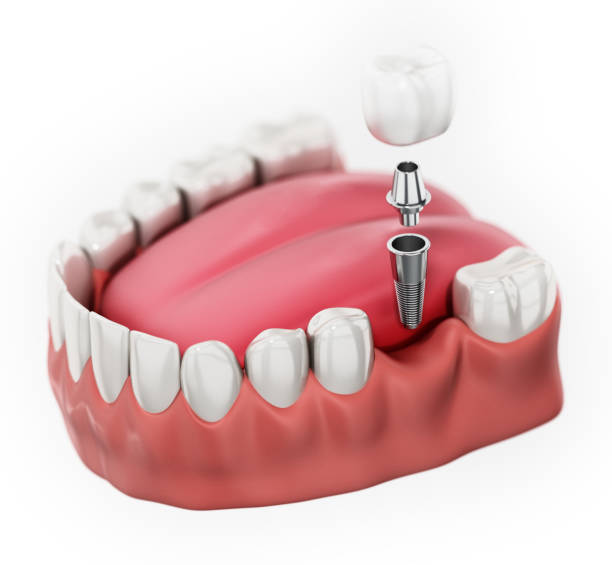
Replacing missing teeth can involve several stages, and understanding what happens during the process can make treatment feel more predictable. Dental implants are designed to replace missing tooth roots and can support restorations such as crowns, bridges, or dentures. Because implant treatment requires careful planning, patients may work with dental implant specialists to assess their oral health, determine whether implants are appropriate, and develop an individualized treatment plan.
A consultation is an opportunity to discuss your dental concerns, understand the recommended procedures, and learn about potential treatment timelines and costs. Knowing what to expect before your appointment can help you prepare questions and make informed decisions about your oral health.
What Are Dental Implant Specialists?
Dental implant specialists are dental professionals who have training and experience in evaluating and providing implant-related treatment. Depending on the patient’s needs, implant care may involve different dental professionals working together, including general dentists, prosthodontists, oral surgeons, and other specialists.
Their role may include evaluating the condition of the teeth and gums, assessing available jawbone, planning implant placement, and coordinating restorative treatment. The exact responsibilities depend on the professional’s qualifications and the complexity of the case.
When considering implant treatment, patients should ask about a provider’s education, training, experience, and the specific procedures they perform.
See also: Christian Sra Survivor Support and Deliverance
Your Initial Consultation
The first appointment typically begins with a discussion about your dental history and concerns. You may be asked about missing teeth, previous dental procedures, medications, and any relevant health information that could affect treatment planning.
The dental professional may also examine your teeth, gums, bite, and jaw. This evaluation helps determine whether dental implants may be suitable and whether additional treatment could be necessary before implant placement.
Use the consultation to explain what you hope to achieve with treatment. Questions about appearance, chewing ability, treatment duration, and maintenance can help the dental team understand your priorities.
Diagnostic Imaging and Evaluation
Detailed evaluation is an important part of implant planning. Depending on the situation, your dental professional may use dental X-rays or three-dimensional imaging to examine the jawbone and surrounding structures.
These images can help assess factors such as bone volume, the position of nearby anatomical structures, and the proposed implant location.
The evaluation may also consider the health of your gums and remaining teeth. Healthy oral tissues can be important for successful implant treatment, so existing dental problems may need to be addressed before proceeding.
Discussing Your Treatment Plan
After the examination, dental implant specialists can explain the recommended treatment approach based on your individual circumstances. The plan may involve replacing one tooth, several teeth, or a larger number of missing teeth.
A treatment plan may outline:
- The number of implants needed
- The proposed implant locations
- Any preparatory procedures
- The type of restoration planned
- The expected treatment stages
- Approximate treatment timelines
- Follow-up and maintenance requirements
Treatment plans vary from patient to patient. There is no single approach that is appropriate for everyone, which is why a detailed examination is necessary before treatment decisions are made.
Will You Need Additional Procedures?
Some patients may require preparatory procedures before receiving implants. One example is bone grafting, which may be considered when there is insufficient bone volume to support an implant.
Other patients may need treatment for gum disease, tooth extraction, or other oral health concerns before implant placement.
Whether additional procedures are required depends on the condition of your mouth and the findings from your examination and imaging. Ask the dental professional to explain why a particular procedure is recommended and how it fits into your overall treatment plan.
Understanding the Implant Placement Process
Once treatment planning is complete and any necessary preparatory work has been addressed, implant placement can be scheduled. During this procedure, an implant is positioned in the jawbone to serve as an artificial tooth root.
The implant then requires time to integrate with the surrounding bone. This healing process is commonly referred to as osseointegration. The length of healing can vary depending on individual circumstances and the treatment approach.
After appropriate healing, the next stage may involve placing an abutment and attaching the final restoration.

Discussing Comfort and Recovery
It is normal to have questions about discomfort, swelling, eating, and returning to normal activities. Dental implant specialists can explain what you may experience during recovery and provide instructions specific to your procedure.
Post-treatment guidance may include recommendations about oral hygiene, diet, activity levels, and follow-up appointments. Following the instructions provided by your dental team can help support the healing process.
If you experience unexpected or worsening symptoms during recovery, contact your dental professional for appropriate guidance.
Understanding Treatment Costs
Dental implant treatment can involve multiple procedures, so the total cost can vary significantly. During your consultation, ask for a detailed estimate that explains which services are included.
Potential costs may involve examinations, imaging, implant placement, abutments, crowns, preparatory procedures, and follow-up care.
If you are considering financing, ask about available payment arrangements and understand the interest, fees, repayment period, and total amount you may pay before agreeing to a financing plan.
Questions to Ask at Your Appointment
Your consultation is a good time to ask questions and clarify anything you do not understand. Consider asking:
- Am I a suitable candidate for dental implants?
- What type of implant treatment is recommended for me?
- Will I need bone grafting or other procedures?
- How many appointments should I expect?
- How long could the overall process take?
- What type of restoration will be used?
- What are the expected recovery requirements?
- What is included in the treatment estimate?
- How should I care for my implants after treatment?
Taking notes during the consultation can make it easier to remember important information later.
Choosing a Qualified Dental Professional
When comparing dental implant specialists, consider factors beyond convenience or cost. Look at relevant education, professional qualifications, implant training, experience with cases similar to yours, and the technology used for treatment planning.
You can also ask how the dental professional handles complications and follow-up care. Clear communication is important because implant treatment can involve several stages and may require coordination between different dental professionals.
Conclusion
Visiting dental implant specialists typically involves much more than simply scheduling an implant procedure. The process can include an initial consultation, oral examination, diagnostic imaging, treatment planning, preparatory procedures, implant placement, healing, and restorative treatment.
Every patient’s situation is different, so the recommended approach and timeline will depend on individual dental and oral health factors. Before proceeding, take time to understand your treatment plan, expected costs, recovery requirements, and long-term maintenance. Asking questions and understanding each stage can help you feel better prepared for your dental implant treatment.