How DDR5 Memory Modules Are Changing Modern Computing
Computers now handle more data than ever, from large business applications and cloud services to gaming, video editing, and artificial intelligence workloads. Memory has a direct effect on how quickly a system can handle these tasks. DDR5 Memory Modules were developed to meet the needs of newer platforms that require higher bandwidth, better efficiency, and larger memory capacities. Ram Exchange provides new, used, and refurbished memory options for different computing environments, including personal computers, laptops, data centers, and custom projects. As more systems move to newer hardware platforms, DDR5 is becoming a practical part of modern memory planning.
Why DDR5 Is Different From Earlier Memory
DDR5 is the newer generation of Double Data Rate memory technology that follows DDR4. It was designed to provide higher data rates while improving how memory is managed within a system. One of the most noticeable changes is speed. DDR5 can provide higher memory bandwidth than DDR4, allowing more data to move between the processor and memory during demanding workloads.
Other changes include:
- Higher memory speeds for supported systems
- Greater module capacity
- Lower standard operating voltage
- Improved power management
- On-die error correction features
- Better support for systems handling large amounts of data
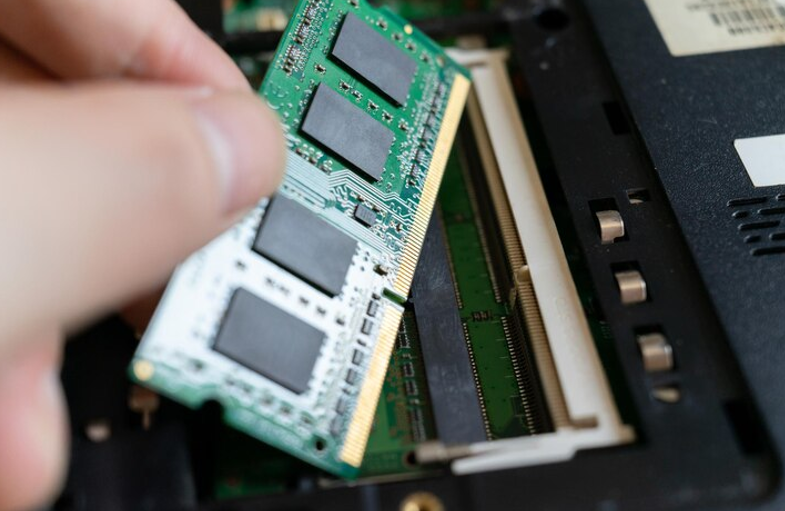
These changes do not mean that DDR5 should be installed in every existing computer. The motherboard, processor, BIOS, and other components must support the memory standard. DDR4 and DDR5 also use different physical designs, so they are not interchangeable.
More Bandwidth for Data-Heavy Workloads
Modern applications often need to move large amounts of information quickly. A computer may have several programs running at the same time while background services, databases, browsers, or security tools continue using system resources. Higher memory bandwidth can help reduce data movement limitations in supported systems. This is useful for workloads such as:
- Video editing and media production
- 3D rendering and design
- Scientific and technical computing
- Virtual machines
- Large databases
- Artificial intelligence workloads
- High-end gaming
The actual improvement depends on the complete system. A faster memory module alone does not guarantee a large performance increase. The processor, storage, motherboard, software, and workload all affect the final result.
Capacity Matters More as Applications Grow
Speed receives a lot of attention, but memory capacity is also important. Modern software can consume significant amounts of RAM, especially when several applications or virtual environments run together. Larger capacity options give users more room to work with large files and demanding applications. This can reduce situations where a system has to rely heavily on slower storage as temporary memory.
For businesses, capacity can also affect how many virtual machines or services a server can handle efficiently. Data centers often need memory configurations that can support large workloads without unnecessary hardware changes. This is one reason DDR5 Memory Modules are gaining attention in newer workstations, servers, and other high-performance systems.
Better Power Efficiency at the Module Level
DDR5 operates at a lower standard voltage than DDR4. That change can help reduce power consumption at the memory level, although overall system power depends on many components. DDR5 also moves power management from the motherboard closer to the memory module through a power management integrated circuit. This allows power delivery to be managed directly on the module.
For large systems containing many memory modules, power efficiency can matter because even small differences can add up across a server or data center environment. Ram Exchange works with memory for a range of applications, from individual computers to larger data center requirements. This type of broad memory availability can be useful when different systems have different capacity and compatibility needs.
What DDR5 Means for Data Centers
Data centers place heavy demands on memory. Servers may support databases, cloud applications, virtualization, analytics, storage services, and other workloads at the same time. Memory shortages or inefficient configurations can affect how these systems operate. DDR5 gives newer server platforms access to higher bandwidth and larger memory configurations.
Some areas where DDR5 can be relevant include:
- Virtualization environments with multiple workloads
- High-volume database operations
- Cloud computing infrastructure
- Data analytics
- AI and machine learning systems
- Content delivery and application servers
Businesses upgrading server hardware should check the complete platform before purchasing memory. Server processors and motherboards have specific memory requirements, and the right module depends on the system configuration.
Choosing Memory Based on the System
Buying memory based only on speed or capacity can lead to compatibility problems. The first step should always be checking the specifications of the computer or server.
Important details include:
- Memory generation: Confirm that the platform supports DDR5.
- Capacity: Check the maximum capacity supported by the motherboard or server.
- Module type: Desktop, laptop, and server systems may use different memory formats.
- Speed: Choose a supported memory speed for the processor and motherboard.
- ECC requirements: Some professional and server systems require error-correcting memory.
- Module configuration: Check how many slots are available and how they should be populated.
This basic checking process can prevent unnecessary purchases and installation problems.
The Role of Computer Memory Products in Upgrades
Businesses and individuals do not always need to replace an entire system to improve its memory capacity. In some cases, upgrading RAM can provide a practical way to support changing software and workload requirements. The wider market for computer memory products includes different generations, capacities, module types, and conditions. This is useful for organizations managing a mixture of newer and older systems.
For example, a company may have newer workstations using DDR5 while older machines still depend on DDR4. Maintaining both types of inventory can make hardware replacement and maintenance easier. Ram Exchange supplies new, used, and refurbished RAM, including DDR4 and DDR5 options. The company also works with system integrators, data centers, and resellers that may need memory across different applications and configurations.
DDR5 and the Future of PC Hardware
As processors become more capable, memory needs also change. Newer CPUs can process large amounts of information, but they still depend on fast access to system memory. DDR5 is likely to remain part of this hardware development because it provides a platform for higher bandwidth and larger capacities than earlier generations. Future computing workloads may place even greater demands on memory as applications handle larger datasets and more complex processes. For buyers, this means memory should be considered as part of the entire hardware platform rather than as an isolated component. Processor generation, motherboard design, storage, cooling, and memory all need to work together.
Practical Memory Planning for Businesses
Companies managing multiple computers or servers can benefit from having a clear memory plan. Instead of purchasing random modules whenever an upgrade is needed, IT teams can document system specifications and future capacity requirements.
A simple plan can include:
- Current RAM capacity for each system
- Supported memory generation
- Maximum supported capacity
- Required module type
- Expected upgrade timeline
- Existing spare inventory
- Compatibility requirements
This can make hardware maintenance easier and reduce the risk of ordering incompatible modules. For organizations working with older equipment, computer memory products across several generations can also help extend the useful life of existing hardware when replacement parts are still available.
See also: Fuel Nozzle Repair Services: A Practical Guide to Inspection, Maintenance, and Repair
DDR5 Is Part of a Larger Hardware Shift
The move to DDR5 is not only about faster RAM. It reflects a wider change in how modern computing systems are designed to handle larger workloads, higher data volumes, and more demanding applications. The value of an upgrade depends on the system using it. A compatible DDR5 platform can provide higher bandwidth, greater capacity, and improved memory-level power efficiency. For businesses, workstations, and data centers, those characteristics can support changing computing requirements without relying solely on processor upgrades. Ram Exchange offers memory options across multiple generations and capacities, making memory sourcing relevant for both newer DDR5 platforms and systems that still require earlier technologies.
Get in touch with Ram Exchange today to discuss your memory requirements and find the right RAM options for your computer, workstation, server, or data center.