Fuel Nozzle Repair Services: A Practical Guide to Inspection, Maintenance, and Repair
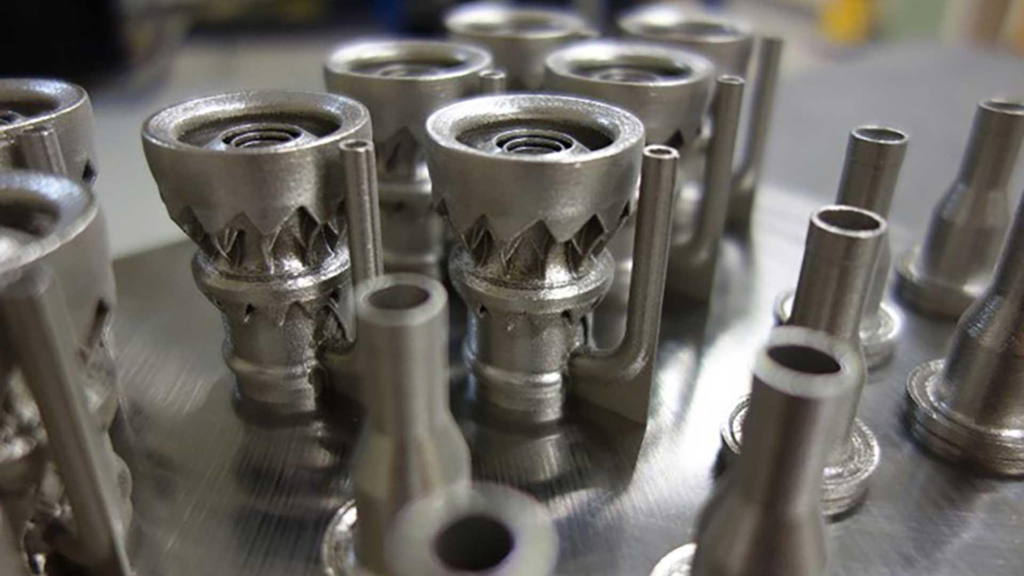
Fuel nozzles are small components with a major effect on combustion performance. In industrial turbines, boilers, engines, and other fuel-burning equipment, the nozzle controls how fuel is delivered and dispersed into the combustion zone. Wear, deposits, erosion, corrosion, and poor atomization can gradually affect equipment performance and operating stability.
Regular inspection and timely fuel nozzle repair services can help identify these issues before they develop into larger equipment problems. Understanding the repair process, maintenance requirements, and replacement considerations also helps maintenance teams plan service work more effectively.
Why Fuel Nozzles Require Regular Attention
A fuel nozzle operates under demanding conditions. High temperatures, fuel pressure, combustion gases, and repeated thermal cycling can affect its internal and external surfaces.
Common problems include:
- Blocked or partially blocked fuel passages
- Worn or damaged nozzle tips
- Poor fuel atomization
- Carbon and fuel deposits
- Erosion around spray openings
- Corrosion
- Distorted spray patterns
- Leakage
- Damaged threads or sealing surfaces
Even a relatively small change in the nozzle’s spray characteristics can affect combustion. Poor atomization may produce uneven burning, increased emissions, hot spots, unstable combustion, or reduced equipment efficiency.
See also: 15kVA Single Phase Transformer: Reliable Solutions for Power Distribution
What Happens During Fuel Nozzle Inspection?
Inspection usually begins with an assessment of the nozzle’s physical condition and operating history. The component may then be cleaned so that deposits do not hide cracks, wear, or surface damage.
Depending on the equipment and nozzle design, technicians may examine:
- External surfaces and mounting areas
- Fuel passages
- Spray holes and tips
- Sealing surfaces
- Internal components
- Threads and connections
- Spray pattern
- Pressure characteristics
Dimensional checks can also be performed against manufacturer specifications or approved repair limits. Non-destructive testing may be used where cracking or material defects are suspected.
Fuel Nozzle Maintenance and Its Effect on Equipment
Fuel nozzle maintenance generally involves inspection, cleaning, testing, and replacement of worn components at appropriate service intervals.
The required frequency depends on several factors, including fuel quality, operating hours, combustion temperature, equipment design, and operating conditions. A maintenance program may include visual inspections during planned outages and more detailed testing during major overhauls.
Cleaning is particularly relevant because deposits can change the geometry of spray openings. Simply removing visible contamination is not always enough; technicians may also need to verify that the nozzle continues to meet required flow and atomization characteristics.
Maintenance records should include inspection findings, measurements, test results, repaired areas, and replaced parts. Comparing these records over several service cycles can reveal recurring problems.
How Fuel Nozzle Repair Is Typically Carried Out
Repair requirements depend on the type and extent of damage. A service provider may first clean and inspect the nozzle before determining whether it can be repaired or needs replacement.
Typical repair activities can include:
- Precision cleaning
- Replacement of damaged components
- Restoration of sealing surfaces
- Repair of approved wear areas
- Machining within specified limits
- Spray testing
- Flow testing
- Pressure testing
- Final dimensional inspection
The repaired nozzle should be tested according to applicable equipment specifications before being returned to service.
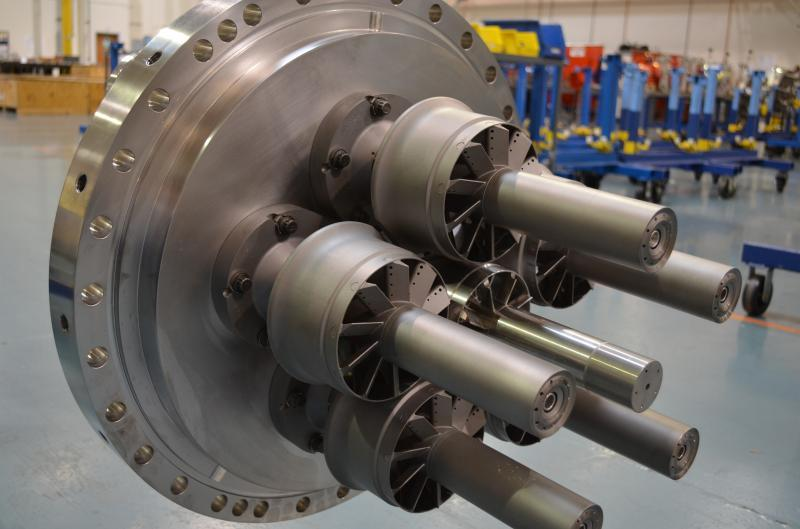
For turbine equipment, repair work can require particularly close attention to dimensional tolerances and spray characteristics. Turbine fuel nozzle repair may involve specialized inspection and testing equipment because the nozzle’s performance directly affects turbine combustion.
Steam Turbine Fuel Nozzle Repair Considerations
Fuel nozzles are more commonly associated with gas turbines and combustion systems than with conventional steam turbines. However, some steam turbine installations can be connected with auxiliary or combustion-related systems that use fuel nozzles.
For such applications, steam turbine fuel nozzle repair should begin with identification of the exact equipment configuration and nozzle design. Applying a generic repair procedure without checking the manufacturer’s specifications can result in incorrect dimensions or unsuitable replacement components.
Service documentation should establish the nozzle type, material, operating conditions, previous repair history, and applicable acceptance criteria.
Repair or Replace: What Should Be Considered?
Not every damaged nozzle should automatically be repaired. In some cases, replacement is technically or economically more appropriate.
The decision can depend on:
- Extent of material loss
- Location of the damage
- Component dimensions
- Availability of approved repair procedures
- Previous repair history
- Expected remaining service life
- Replacement-part availability
- Testing requirements
- Cost of repair compared with replacement
The fuel injector nozzle replacement cost can vary substantially depending on the equipment manufacturer, nozzle design, materials, component availability, and required testing. A quoted price should therefore be evaluated alongside the technical scope rather than viewed as the only consideration.
Testing After Repair
Testing provides evidence that a repaired nozzle is suitable for service. The exact tests depend on the nozzle design and equipment requirements.
Common checks include flow testing, pressure testing, leak testing, dimensional verification, and spray-pattern evaluation. Some applications may require additional non-destructive examinations.
A proper test report should identify the component, inspection method, measured results, acceptance criteria, and any repairs performed. Traceable documentation can be particularly useful during future maintenance planning.
Choosing a Fuel Nozzle Service Provider
A suitable service provider should have experience with the specific type of nozzle and equipment involved. General machining capability alone may not be enough for components that require controlled spray characteristics and strict dimensional tolerances.
Before sending components for repair, maintenance teams can review:
- Relevant repair experience
- Inspection and testing capabilities
- Available technical equipment
- Quality-control procedures
- Component traceability
- Repair documentation
- Applicable industry standards
- Experience with the equipment manufacturer
Clear communication about the operating history and known problems can also help technicians identify potential causes of repeated nozzle failures.
Fuel Nozzle Services and Planned Maintenance
Fuel nozzle services can cover several stages of the component lifecycle, from inspection and cleaning to testing, repair, and replacement. Using planned service intervals allows maintenance teams to identify wear before it affects combustion performance.
A nozzle that repeatedly develops the same problem may indicate an underlying issue elsewhere in the fuel or combustion system. For example, contamination, incorrect fuel pressure, filtration problems, or operating conditions may contribute to premature nozzle deterioration.
For this reason, nozzle inspection should sometimes be considered as part of a wider equipment maintenance program rather than as an isolated repair activity.
Final Considerations for Maintenance Teams
Fuel nozzle condition has a direct connection with fuel delivery and combustion quality. Regular inspection provides an opportunity to identify deposits, wear, leakage, dimensional changes, and other defects before they become more disruptive.
A well-documented maintenance process should cover inspection, cleaning, repair decisions, testing, and traceability. Selecting repair methods according to the nozzle manufacturer’s requirements and the equipment’s operating conditions helps ensure that repaired components are suitable for their intended application.
For facilities that depend on continuous turbine or industrial equipment operation, planned fuel nozzle repair services can form part of a broader maintenance strategy focused on reliable fuel delivery and consistent combustion performance.