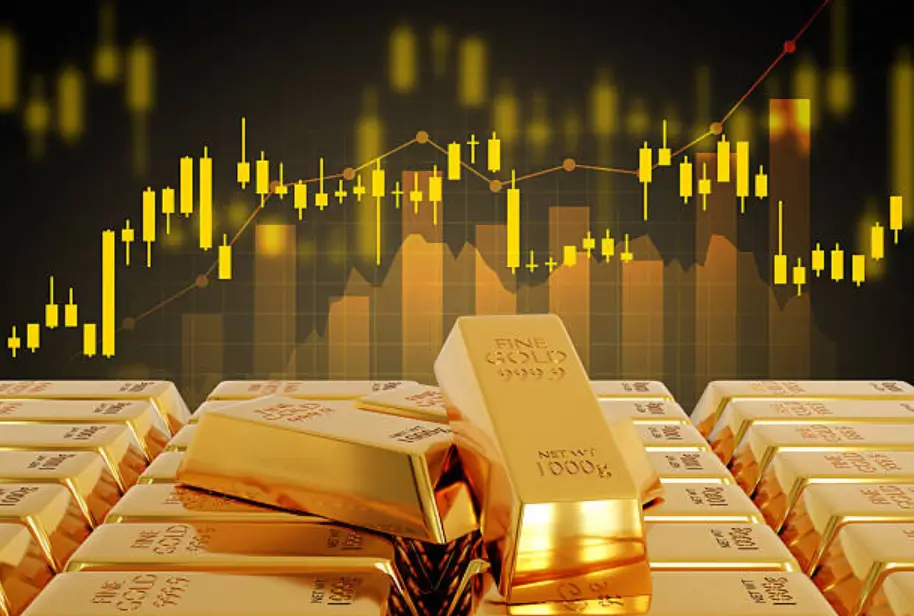
Understanding Gold Market Trends: The Key Drivers Traders Should Monitor
Gold trading is often associated with watching price charts and looking for potential entry points. However, a deeper understanding of the market requires more than just following short-term movements. Gold prices can respond to a variety of interconnected factors, including interest rates, inflation expectations, currency movements, economic uncertainty, investor sentiment, and changes in physical demand.
For those new to the market, the challenge is knowing which factors actually matter and how they fit together. It can be helpful to view market analysis as a structured decision-making process rather than a search for guaranteed signals. A reliable foundation for evaluating opportunities comes from understanding what moves gold, choosing an appropriate trading method, controlling costs, and managing risk.
Key Concepts and Definitions
Gold trading involves taking a position based on expected movements in the price of gold. Depending on the product used, a trader may gain exposure to gold through physical bullion, exchange-traded products, financial contracts, or other instruments.
The term XAU/USD is particularly important in financial markets. It represents the price of one troy ounce of gold expressed in US dollars. As a result, traders frequently monitor XAU/USD alongside economic and currency data.
Gold investment and gold trading are related but not identical. Investment generally focuses on longer-term ownership and wealth preservation, while trading is more concerned with shorter-term price movements and the timing of positions.
How Gold Trading Works
Gold trading begins with gaining exposure to changes in the market price. If a trader expects gold to rise, they may take a position designed to benefit from an increase. If they expect a decline, certain trading products may allow them to profit from falling prices.
The actual mechanics of this process depend on the product and provider. Physical bullion involves ownership of an actual gold asset, while financial trading products may provide price exposure without transferring ownership of the physical metal. This distinction is crucial because costs, liquidity, leverage, settlement, storage, and counterparty considerations can differ significantly between these approaches.
A trader studying the gold market will commonly monitor a range of factors:
- The current gold price
- XAU/USD movements
- Interest-rate expectations
- US dollar strength
- Inflation expectations
- Major economic announcements
- Market volatility
- Global risk sentiment
- Technical price patterns
A gold XAUUSD chart can help visualise price behaviour, but it is generally best considered alongside broader market conditions rather than treated as a standalone prediction tool.
Benefits and Limitations of Gold Trading
Gold can attract traders because it is a globally followed asset with substantial market participation. Its price can respond quickly to changes in economic expectations and investor sentiment, creating both opportunities and risks. One potential benefit is portfolio diversification, as gold can behave differently from some other financial assets, although its performance is not consistently independent of broader markets.
Another advantage is the wealth of information available for analysis. Traders can study economic releases, central-bank decisions, currency movements, and historical price data when developing a market view.
However, gold trading also has limitations. Price movements can be unpredictable, and a factor that normally influences gold may have a different effect depending on what markets have already anticipated. Short-term trading can also increase the impact of transaction costs and execution differences. Where leverage is available, relatively small price movements can have a much larger effect on the trading account. The key point is that understanding the drivers of gold does not eliminate uncertainty, but it does provide a better framework for dealing with it.
How to Get Started with Gold Trading
Someone new to gold trading should begin by understanding the product before attempting to predict its price. The first step is to establish whether the objective is physical ownership, longer-term gold investment, or active trading. These approaches involve different costs, time commitments, and risk considerations.
It is also important to understand how an order is executed, what fees apply, whether leverage is involved, and what happens when a position is closed. Keeping the initial process simple can make it easier to identify whether a strategy is working or whether results are being driven by excessive risk.
Choosing the Right Gold Trading Option
There is no universally best way to choose a gold trading product. The appropriate option depends on the trader’s objectives, experience, available capital, and tolerance for potential losses. Physical bullion may appeal to someone primarily interested in owning gold, while a financial trading product may be more suitable for someone focused on price movements. These should not be treated as interchangeable simply because both provide exposure to gold.
When comparing providers, it is essential to examine the underlying product rather than relying only on the advertised trading experience. Important questions to ask include:
- What exactly is being bought or traded?
- Is physical ownership involved?
- How are transactions priced?
- What fees apply?
- Is leverage available?
- How are positions closed?
- What level of market access is provided?
- What information is available for monitoring prices?
The same evaluation criteria should be applied to any provider. For instance, a firm such as ISA Bullion may appear during research into precious-metals trading, but the assessment should focus on whether the product, costs, and trading structure align with the individual’s objectives and risk tolerance.
Comparing Costs and Access
The cost of gold trading is broader than the headline gold price. Depending on the product, costs can include spreads, commissions, platform charges, financing costs, storage fees, or other transaction-related expenses. These should be understood before opening a position. For example, a small difference between buying and selling prices can become significant for someone who trades frequently. Similarly, financing or holding costs can affect the outcome of positions that remain open for longer periods.
Access is another important consideration. Some products provide direct ownership, while others provide market exposure through financial contracts. Trading hours, order types, and liquidity can also vary.
| Factor | Physical Bullion | Financial Products (e.g., CFDs, Futures) |
| Ownership | Direct ownership of physical metal. | Price exposure via a contract; no physical metal owned. |
| Primary Costs | Dealer premiums, storage, insurance. | Spreads, commissions, overnight financing fees. |
| Leverage | Generally not available. | Often available, which can amplify both gains and losses. |
| Liquidity | Can be less liquid; selling may involve finding a buyer. | Typically highly liquid during market hours. |
A useful comparison therefore looks at the total cost and structure of the product rather than focusing on a single advertised fee.
Common Mistakes to Avoid in Gold Trading
Beginner gold traders often make mistakes because they focus too heavily on predicting price direction and not enough on managing the process. One common error is treating a single indicator or chart pattern as a reliable prediction. Markets rarely move because of one factor alone. Another is ignoring the economic calendar, as major interest-rate decisions, inflation data, and other significant announcements can change market expectations rapidly.
Overtrading is another risk, where a trader feels compelled to enter the market constantly and may take positions without a clearly defined reason.
Other mistakes include:
- Using more leverage than the trading plan can support
- Entering positions without defining potential losses
- Ignoring transaction and holding costs
- Changing a strategy after a small number of unsuccessful trades
- Trading based on headlines without understanding their market context
- Confusing a short-term trading strategy with a long-term gold investment
- Assuming that past price behaviour guarantees future results
It is also important to avoid treating the XAU/USD market as predictable simply because price charts contain recognisable patterns. Technical analysis can provide structure, but it cannot remove market uncertainty.
Decision Checklist
Before making a gold trading decision, a trader should be able to answer several basic questions:
| Question | Purpose |
| What is the trading objective? | To clarify if the goal is short-term trading, long-term investment, or physical ownership. |
| What is driving the current market? | To consider interest rates, inflation, currency movements, and economic data. |
| What product is being traded? | To understand if the position represents physical ownership or financial exposure. |
| What will the trade cost? | To account for spreads, commissions, financing, storage, or other applicable charges. |
| How much can be lost? | To establish a maximum acceptable loss before entering the position. |
| What would invalidate the trade idea? | To have a clear condition under which the original market view is no longer valid. |
| Is the decision based on a process rather than emotion? | To avoid entering trades simply because gold has recently risen or fallen sharply. |
| Can the decision be reviewed later? | To help identify recurring mistakes and improve the process. |
Using a provider such as ISA Bullion as part of the research process does not remove the need for this assessment.
Frequently Asked Questions
What are the main factors that drive gold prices?
Gold prices are driven by a complex mix of factors, including central bank interest rates, the strength of the US dollar, inflation expectations, geopolitical events, and overall market sentiment. These factors can interact in complex ways, making it difficult to attribute a price move to a single cause.
What does XAU/USD mean?
XAU/USD is the ticker symbol for the price of one troy ounce of gold quoted in US dollars. It is the standard pricing convention used in the global financial markets for trading gold.
Is gold a good investment for beginners?
Gold can be a part of a diversified portfolio, but it is not without risk. Its price can be volatile, and it does not generate income like stocks or bonds. Beginners should start by researching the different ways to gain exposure to gold, such as physical bullion or ETFs, and understand the costs and risks involved before committing capital.
How can I manage risk when trading gold?
Risk management in gold trading involves using stop-loss orders to limit potential losses, sizing positions appropriately to avoid overexposure, and not using excessive leverage. Diversifying across different asset classes can also help reduce portfolio volatility.
What is the difference between trading and investing in gold?
Gold investment typically refers to a long-term strategy focused on wealth preservation, such as buying and holding physical coins or bars. Gold trading, on the other hand, is a shorter-term activity that seeks to profit from price fluctuations, often using financial products like CFDs or futures.
Why do interest rates affect the price of gold?
There is a general inverse relationship between interest rates and gold prices. When interest rates rise, bonds and other interest-bearing assets become more attractive, which can reduce demand for non-yielding assets like gold. Conversely, when rates fall, the opportunity cost of holding gold decreases, making it more appealing.
Conclusion
Understanding gold market trends starts with recognising that no single factor consistently determines price. Interest rates, the US dollar, inflation expectations, economic conditions, investor sentiment, and market positioning can all interact in different ways.
For beginners, the more useful goal is not to find a perfect gold trading signal but to develop a repeatable decision-making process. That means understanding the product, assessing costs, monitoring the major market drivers, controlling position size, and defining risk before entering a trade.
A gold XAUUSD chart can be a useful analytical tool, but it is most effective when considered within the wider market context. Reviewing each trade afterwards can also help identify whether decisions were based on a consistent framework or short-term emotion. Gold trading carries uncertainty, and no framework can guarantee a particular outcome. However, stronger preparation, disciplined execution, and continuous review can help beginners approach the market with more realistic expectations.