How Commercial Roof Installation Impacts the Long-Term Performance of Business Buildings
Commercial buildings depend on strong roofing systems to protect their structure, equipment, employees, and daily operations. A roof that is poorly installed can lead to recurring leaks, moisture damage, higher energy bills, and unexpected repair costs. Commercial roof installation is therefore an important part of planning and maintaining a business property. The materials selected, installation methods used, and quality of workmanship all influence how well a roof performs over the years. For business owners, choosing a suitable roofing system means considering more than its initial cost. Companies such as Nailed It Roofing Pros understand the value of proper installation and dependable roofing materials in protecting commercial properties. A well-installed roof can support building efficiency, reduce maintenance needs, and help businesses avoid disruptions caused by preventable roofing problems.
The Quality of Installation Determines Roof Durability
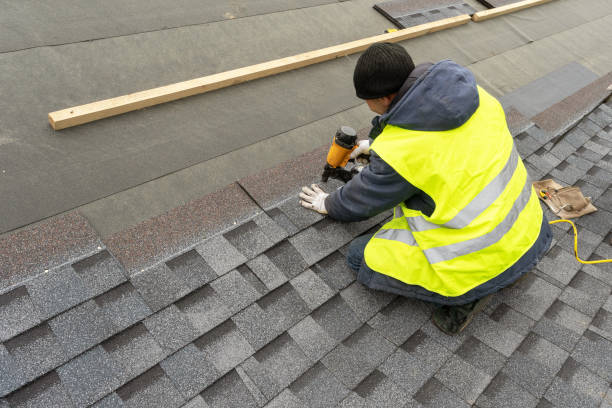
The lifespan of a commercial roof depends heavily on how well it is installed. Even high-quality materials may develop problems if the installation process does not follow the manufacturer’s requirements and accepted roofing practices. Commercial roofs often cover large areas and include several components, such as membranes, flashing, insulation, drainage systems, and roof penetrations. Each component must be installed correctly to create a reliable roofing system.
Poor workmanship can result in:
- Loose or improperly secured roofing materials.
- Weak seams that allow water to enter.
- Gaps around vents, pipes, and other roof openings.
- Poor drainage that causes water to collect.
- Early deterioration of protective roofing layers.
These issues can shorten the roof’s service life and increase the need for repairs. Professional installation helps ensure that different roofing components work together and provide consistent protection.
See also: Answers to Common Questions About Using a Laundry Company
Choosing the Right Roofing Material for the Building
Every commercial property has different structural requirements and operating conditions. A warehouse, office building, retail centre, and industrial facility may need different roofing systems based on their design and use.
Selecting suitable materials during commercial roof installation can affect durability, maintenance requirements, and energy performance.
Common commercial roofing options include:
TPO Roofing
Thermoplastic Polyolefin (TPO) is a popular option for flat and low-slope commercial roofs. Its reflective surface can help reduce heat absorption, which may support indoor temperature control during warmer months. TPO membranes are also designed to resist moisture and common environmental exposure.
Modified Bitumen Roofing
Modified bitumen roofing uses asphalt-based materials reinforced with additional layers. It offers flexibility and resistance to weather exposure, making it suitable for several commercial applications. Proper installation is necessary to maintain the strength of its seams and protective layers.
Metal Roofing
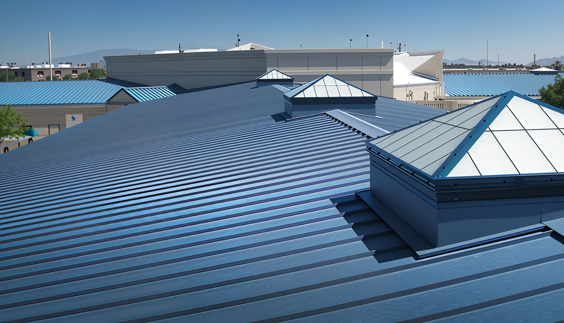
Metal roofing is commonly selected for its durability and long service life. It can withstand various weather conditions and requires relatively straightforward maintenance. The correct fasteners, panel connections, and protective finishes help prevent premature wear.
Built-Up Roofing
Built-up roofing consists of multiple layers of bitumen and reinforcing materials. These layers create a protective surface that can be suitable for flat commercial buildings. Proper drainage and regular inspections help maintain its condition.
The right choice depends on the building’s structure, local climate, drainage requirements, and long-term maintenance plans.
Better Weather Protection for Business Properties
Commercial roofs face regular exposure to sunlight, rain, wind, and changing temperatures. In areas such as Houston, heat, humidity, heavy rainfall, and seasonal storms can place additional stress on roofing materials. A properly installed roofing system creates a protective barrier against these conditions. Strong seams, secure flashing, and suitable waterproofing help reduce the chances of water entering the building.
Effective weather protection helps prevent:
- Water stains and ceiling damage.
- Moisture-related deterioration.
- Damage to electrical systems and equipment.
- Mould growth caused by persistent dampness.
- Disruptions to employees, customers, and daily business activities.
Nailed It Roofing Pros provides commercial roofing services that include flat and low-slope roofing systems, metal roofing, and other installation options. Selecting materials suited to local weather conditions can help business owners maintain better protection throughout the year.
Energy Efficiency and Indoor Comfort
The condition and design of a commercial roof can influence how much energy a building uses. Roofing materials absorb, reflect, or transfer heat differently. This affects the workload placed on heating and cooling systems. For example, reflective roofing materials can reduce the amount of sunlight absorbed by the roof surface. Suitable insulation can also slow heat transfer between the outside environment and indoor spaces.
A well-planned roofing system may help businesses:
- Maintain more stable indoor temperatures.
- Reduce unnecessary cooling demands.
- Improve comfort for employees and visitors.
- Manage seasonal heating and cooling expenses.
- Support better overall building efficiency.
Poor installation can reduce these benefits. Gaps in insulation, damaged membranes, and poorly sealed roof openings may allow unwanted heat transfer or moisture to enter the building. Businesses should consider insulation quality and material performance during the installation planning stage rather than treating them as separate concerns.
Proper Drainage Prevents Expensive Structural Problems
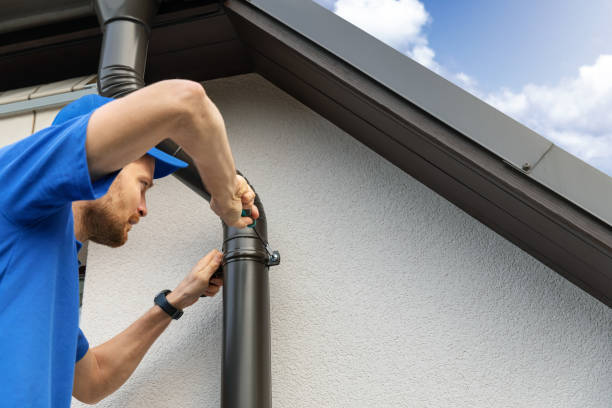
Water management is a major part of commercial roofing performance. Flat and low-slope roofs need carefully planned drainage systems because water cannot always flow away as quickly as it does on steep residential roofs. If drains, gutters, and downspouts are poorly positioned or installed, water may collect on the roof. This is commonly known as ponding water.
Prolonged water accumulation can contribute to several problems:
- Additional weight on the roof structure.
- Faster deterioration of roofing membranes.
- Increased pressure on seams and joints.
- Leaks around drainage openings.
- Moisture damage to insulation and interior areas.
Proper roof slope, drain placement, flashing, and waterproofing help direct rainwater away from the building. Regular cleaning is also necessary to prevent leaves, dirt, and other debris from blocking drainage outlets.
Lower Maintenance Costs Over Time
A commercial roof is a long-term property investment. Its performance depends not only on the initial installation but also on how well it is maintained afterwards. Small roofing issues can become expensive if they remain unnoticed. A minor membrane puncture, loose flashing section, or blocked drain may eventually lead to water intrusion and damage to other building components.
Working with local roofing experts gives business owners access to professionals who can assess roof conditions, identify visible concerns, and recommend suitable maintenance work.
A practical maintenance routine should include:
- Scheduled inspections: Check roofing materials, seams, flashing, and other vulnerable areas.
- Drainage cleaning: Remove debris from gutters, drains, and roof outlets.
- Leak monitoring: Investigate water stains, damp areas, and signs of moisture intrusion.
- Minor repairs: Address small defects before they spread across larger roof sections.
- Storm assessments: Arrange an inspection after severe weather to identify possible damage.
Consistent maintenance helps preserve the original installation quality and makes it easier to plan future roofing expenses.
Fewer Business Disruptions and Better Asset Protection
Roofing problems can affect more than the building itself. Leaks may damage computers, machinery, inventory, furniture, and other valuable business assets. They can also create safety concerns in areas used by employees and customers. For businesses that operate throughout the day, unexpected roofing repairs may require restricted access, temporary closures, or changes to normal activities.
A reliable roofing system reduces the risk of these interruptions by providing consistent protection against water and weather exposure. Business owners should also consider future access to roofing components and maintenance requirements during installation. A system that is easier to inspect and maintain can help reduce the time and effort needed for routine upkeep.
Nailed It Roofing Pros focuses on commercial roofing installation, replacement, repair, and maintenance services, helping property owners address different roofing needs as their buildings age.
Why Professional Installation Matters for Long-Term Results
Commercial roofing projects involve technical decisions about materials, structural conditions, waterproofing, insulation, and drainage. Choosing a contractor based only on the lowest installation estimate may overlook details that affect long-term performance. Experienced local roofing experts can assess the building’s requirements and explain which roofing options are suitable for its design and operating conditions.
Before starting a project, business owners should consider:
- The contractor’s experience with commercial roofing systems.
- The quality and suitability of proposed materials.
- Installation methods and manufacturer requirements.
- Local building codes and applicable safety standards.
- Project timelines and plans to limit business interruptions.
- Inspection and maintenance support after installation.
Clear communication also helps property owners understand the scope of work, expected costs, and maintenance responsibilities.
Build a Stronger Foundation for Your Commercial Property
A commercial roof affects building protection, energy use, maintenance expenses, and daily business operations. Proper material selection and skilled installation can help reduce avoidable problems while supporting the building’s long-term condition. Business owners who plan carefully and maintain their roofing systems can protect their property investment for years to come.
Contact us today to discuss your commercial roofing project and learn how professional installation can help protect your building, improve roof durability, and reduce future maintenance concerns.