Pivot Shower Door Replacement Signs You Need a New Door
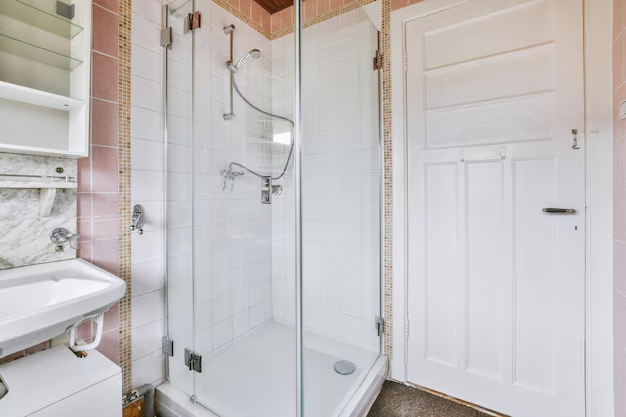
A shower door should open smoothly, close securely, and keep water where it belongs. When the hinges begin to struggle or the glass no longer sits correctly, the problem can become more than a minor bathroom annoyance. For homeowners considering pivot shower door replacement, recognizing early warning signs can help prevent water damage, safety issues, and further hardware problems. Luxurious Glass can help homeowners assess their shower door and determine when replacement makes more sense than continued repairs.
The Door No Longer Opens or Closes Smoothly
A pivot shower door relies on properly aligned hinges and hardware to swing correctly. A little resistance may appear after years of use, but increasing stiffness, scraping, or uneven movement deserves attention.
A door that catches against the frame or floor may have shifted out of alignment. Loose screws, worn pivot hardware, or changes in the surrounding structure can contribute to the problem. Repeatedly forcing the door can put additional pressure on the glass and hardware.
Lubricating or adjusting the hardware may solve a minor issue. If the movement remains difficult after adjustment, replacement may provide a safer and more reliable option.
Visible Chips, Cracks, or Damage in the Glass
Glass damage is one of the clearest reasons to consider a new shower door. Small chips along an edge can develop from impacts or years of contact with metal hardware. Cracks may spread as the glass experiences temperature changes and everyday movement.
Tempered shower glass is designed to break into small pieces if it fails, but damaged glass should still be treated seriously. A crack or significant edge chip should not be ignored simply because the door continues to function.
A professional inspection can determine whether the glass and surrounding hardware remain suitable for continued use. In many cases, replacing the damaged door is preferable to trying to keep a compromised panel in service.
The Door Sags or Sits Unevenly
A properly installed pivot door should maintain a consistent position within its opening. A noticeable gap on one side, a door that appears tilted, or a panel that drags against the shower base can indicate alignment or hardware problems.
Slight movement may come from loose fasteners or worn pivots. However, repeated sagging can indicate that the existing hardware has reached the end of its useful life.
An uneven door can also affect the seals around the opening. Water may begin escaping through areas that previously remained dry. Replacing the door and worn components together can restore proper positioning and operation.
Water Escapes During Every Shower
A few drops outside the shower may not seem serious, but repeated water exposure can damage flooring, trim, drywall, and nearby cabinetry. A shower door that consistently allows water to escape may have worn seals, poor alignment, or an unsuitable configuration for the opening.
Inspect the bottom sweep, side seals, hinges, and door position. If the seals are worn but the glass and hardware remain in good condition, replacing the seals may be enough.
Persistent leakage after new seals have been installed points toward a larger issue. A replacement door can provide a better fit while addressing aging components at the same time.
The Hinges or Pivot Hardware Show Wear
Hardware carries much of the mechanical load every time a pivot shower door is opened and closed. Over the years, screws can loosen, finishes can deteriorate, and pivot components can become worn.
Rust, corrosion, unusual movement, or visible gaps around the hardware are signs that the door deserves closer inspection. Hardware problems can also affect how weight is distributed across the glass.
Replacing individual hardware may work in some situations. If several components are worn or the door itself has alignment problems, replacing the complete door assembly can be a more practical choice.
The Door Makes New or Unusual Sounds
A shower door should not produce loud grinding, popping, or repeated squeaking during normal operation. New sounds often indicate friction or movement within the hinges, pivots, or mounting points.
A squeak can sometimes be resolved through cleaning, lubrication, or hardware adjustment. Grinding or popping sounds are more concerning, particularly when combined with visible movement.
Ignoring unusual sounds allows small mechanical problems to develop further. An inspection can identify whether the existing door can be repaired or whether replacement is more appropriate.
The Glass Has Developed Persistent Cloudiness or Staining
Hard-water deposits and mineral buildup can make shower glass look dull. Regular cleaning may remove surface residue, but years of exposure can leave permanent etching or staining.
Severely etched glass may never return to its original appearance, even after professional cleaning. If the door has extensive discoloration along with aging hardware, replacement can refresh the entire shower enclosure.
Homeowners may also choose a replacement as an opportunity to select glass with a different finish, thickness, or treatment suited to their maintenance preferences.
The Door Does Not Match a Bathroom Renovation
A shower door does not have to be damaged to justify replacement. Bathroom renovations often reveal that an older enclosure no longer fits the room’s layout or visual style.
An outdated framed door may look out of place beside new tile, fixtures, lighting, and cabinetry. Replacing it with a modern pivot design can create a cleaner appearance while maintaining the functionality of the existing shower area.
Measurements matter during this process. The replacement must suit the available opening, wall conditions, swing direction, and surrounding fixtures.
Repairs Keep Coming Back
Repeated repairs can become frustrating when the same problems return every few months. Replacing one hinge may solve a movement issue, only for another component to fail later.
This pattern often occurs with older shower doors that have several aging components. Spending repeatedly on isolated repairs may eventually cost more than installing a new door.
A professional can examine the complete enclosure rather than focusing on one defective component. The condition of the glass, hinges, seals, pivots, frame, and surrounding surfaces should all be considered before making a decision.
The Door Creates a Safety Concern
A shower door should feel stable during normal use. Excessive movement, damaged glass, loose hardware, or a door that unexpectedly swings can create a safety concern, particularly in a wet bathroom.
Do not continue using a visibly cracked or unstable shower door simply because it still opens and closes. Keep the area clear and arrange an inspection as soon as possible.
Safety concerns are especially relevant in households where children, older adults, or people with limited mobility use the bathroom. A properly fitted replacement can address mechanical problems while providing dependable daily operation.
See also: Why Businesses Need Professional Commercial Electrical Contractors
Choosing Between Repair and Replacement
Not every shower door problem requires a full replacement. A loose screw, worn seal, or minor hardware issue may be repairable. Replacement becomes more reasonable when multiple components are worn, the glass is damaged, alignment problems persist, or repairs have become frequent.
Age also matters. Older doors may use hardware that is difficult to source or no longer compatible with newer components. In such cases, installing a new door can simplify future maintenance.
The condition of the surrounding shower opening should also be checked. Wall movement, damaged tile, moisture problems, or an uneven base may need attention before a new door is installed.
Give Your Shower Door a Careful Inspection
A shower door provides both function and protection from everyday water exposure. Problems such as damaged glass, persistent leaks, sagging, worn pivots, unusual noises, and repeated repairs should not be treated as ordinary signs of aging.
Replacing a failing door can also be an opportunity to improve the bathroom’s appearance and choose hardware that suits the space. Before ordering a replacement, have the opening professionally measured and inspect the surrounding surfaces for issues that could affect installation.
If your shower door has become difficult to operate or shows visible signs of damage, contact us today to discuss your replacement options. A professional assessment can help determine the right approach for your bathroom, and the final decision should be based on the door’s condition, safety, fit, and long-term use.