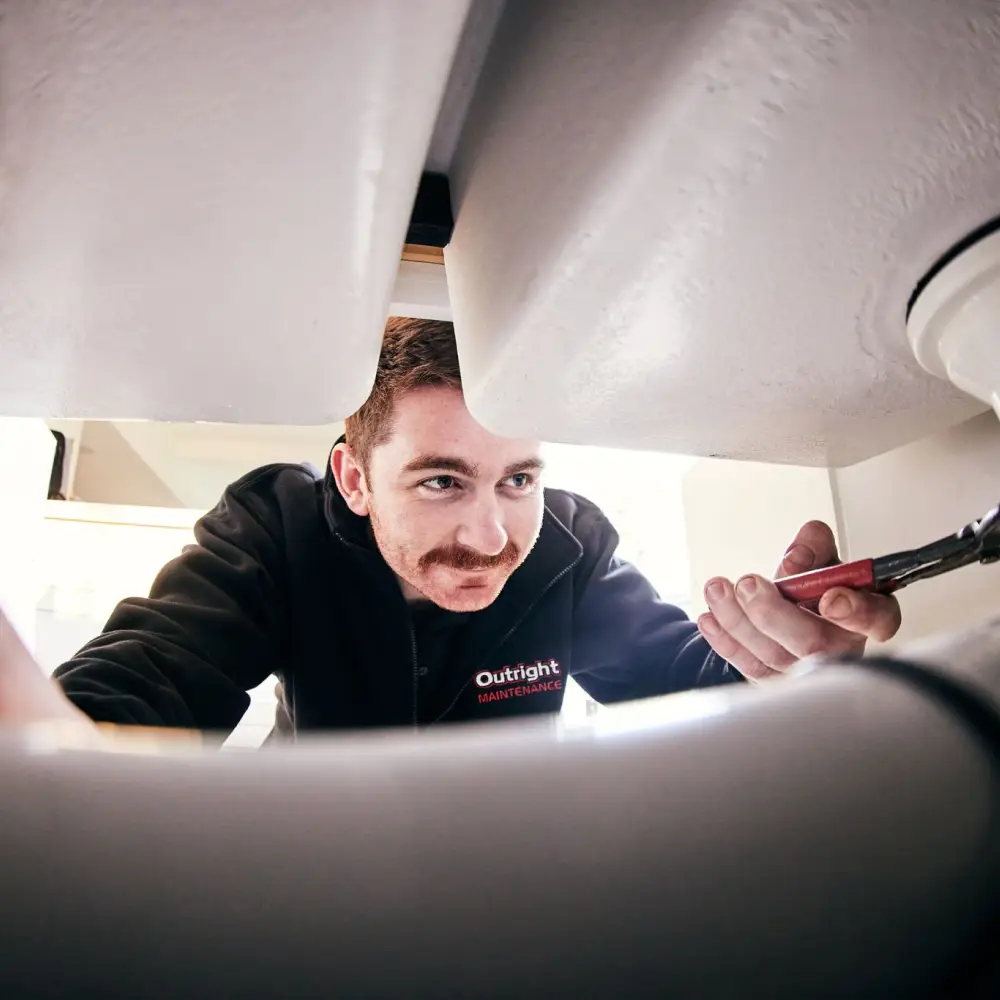
Common Causes of Blocked Drains in Melbourne and How to Prevent Them
A slow-draining sink might not seem like a serious problem at first. You wash the dishes, notice water collecting around the plughole and assume it will eventually disappear. A few days later, the water takes even longer to drain, an unpleasant smell starts coming from the kitchen, or the bathroom shower begins filling around your feet. These small warning signs can point to a blockage that needs attention.
Blocked drains are a common household inconvenience, but recurring drainage problems can also indicate a deeper issue within your plumbing system. Understanding what causes them, recognising the early symptoms and knowing when to seek professional assistance can help Melbourne homeowners avoid unnecessary disruption.
What Causes Blocked Drains in Melbourne Homes?
Drain blockages develop when materials accumulate inside pipes and restrict the flow of wastewater. Sometimes the cause is simple, such as food scraps or hair. In other cases, the obstruction may be further down the drainage system and require specialist equipment to locate.
1. Grease and Food Scraps in Kitchen Drains
Kitchen sinks handle a mixture of water, food residue, oils and cleaning products every day. While small amounts may pass through without an immediate problem, grease and cooking fats can cool inside pipes and cling to their walls.
Over time, these deposits collect other particles and gradually narrow the pipe. Coffee grounds, rice, pasta and fibrous vegetable scraps can add to the buildup, making it harder for wastewater to flow freely.
To reduce the risk, scrape leftover food into the rubbish or compost before washing dishes. Allow cooking fats to cool and dispose of them in a suitable container rather than pouring them down the sink. A sink strainer can also catch food particles before they enter the drain.
If your kitchen sink repeatedly backs up despite these precautions, the obstruction may be deeper in the pipework.
2. Hair and Soap Residue in Bathroom Drains
Bathroom drains often become blocked because hair combines with soap residue, shampoo deposits and other material. These substances can collect around the drain opening or become trapped further inside the pipe.
You might first notice that the shower takes longer to empty. Later, water may pool around your feet or a persistent odour may develop near the drain.
A removable hair catcher is a simple preventative measure. Clean it regularly and remove visible debris before it enters the plumbing system. Avoid allowing large amounts of hair, wipes or other waste to enter the drain.
If several bathroom fixtures begin draining slowly at the same time, the problem may involve a shared drainage line rather than an individual plughole.
3. Tree Roots Entering Underground Pipes
Tree roots are another possible cause of recurring drain blockages, particularly where underground pipes have cracks, damaged joints or deteriorated sections. Roots naturally seek moisture and can enter through small openings in search of water.
Once inside, they may continue growing and catch toilet paper, waste and other debris. This can lead to repeated blockages even after a temporary clearing.
Warning signs may include recurring backups, gurgling noises or slow drainage affecting multiple fixtures. However, these symptoms do not confirm root intrusion on their own.
A plumbing professional may use a drain camera to inspect the pipe and identify the source of the problem. Depending on the findings, clearing the obstruction may be only the first step; damaged sections could also require repair.
4. Flushing the Wrong Items Down the Toilet
Toilets are designed to handle human waste and toilet paper, not every product labelled as disposable or flushable. Wet wipes, sanitary products, cotton buds, paper towels and other household waste can become trapped in the toilet trap or downstream pipework.
Even products marketed as flushable may not break down as readily as toilet paper. Repeatedly flushing unsuitable items increases the risk of an obstruction.
Keep a small rubbish bin near the toilet so household waste has somewhere appropriate to go. Teach children what can safely be flushed, and avoid using the toilet as a disposal point for cleaning products or personal care items.
If the water level rises unusually high after flushing, stop using the toilet until the issue has been assessed. Continuing to flush can cause an overflow and increase the risk of water damage.
Warning Signs You Should Never Ignore
Recognising a drainage problem early can help prevent a minor inconvenience from becoming a major household disruption. Watch for these common symptoms:
- Slow drainage: Water takes longer than usual to leave sinks, showers or baths.
- Unpleasant smells: Persistent odours come from plugholes or outdoor drains.
- Gurgling sounds: Pipes make bubbling noises when water drains or a toilet is flushed.
- Repeated backups: The same fixture becomes blocked again soon after being cleared.
- Multiple affected fixtures: Several sinks, toilets or showers drain poorly at the same time.
- Water backing up: Wastewater returns through a drain instead of flowing away.
One symptom alone does not always mean there is a serious blockage. However, repeated problems or several affected fixtures deserve closer attention.
If wastewater is backing up, avoid using connected fixtures until the cause has been identified. This can help limit further overflow while you arrange assistance.
Why DIY Drain Clearing Does Not Always Work
A plunger can be useful for certain minor blockages, particularly when the obstruction is close to a sink or toilet opening. Removing visible debris from a drain cover may also help restore normal flow.
However, repeated blockages can have causes that are not visible from the surface. A deeper obstruction, tree roots, damaged pipework or a buildup along a longer section of drainage may require professional investigation.
Be cautious with chemical drain cleaners. Some products can damage certain pipes, create hazardous splashes or expose you to harmful fumes, especially if they are mixed with other cleaning chemicals. Always follow product instructions and never combine different drain-cleaning products.
If basic measures do not resolve the problem, or the drain blocks again shortly afterwards, professional blocked drain services in Melbourne can help identify the cause and determine an appropriate solution.
Depending on the situation, a plumber may use specialised clearing equipment or a camera inspection to assess the condition of the pipework.
How Professional Drain Cleaning Can Help
Professional drain cleaning aims to remove the obstruction and restore the proper flow of wastewater. The method used depends on the location, severity and nature of the blockage.
Mechanical equipment may help clear accumulated debris, while high-pressure water jetting can be suitable for certain types of buildup. Camera inspections can provide a closer look at the inside of a pipe when the cause is unclear or the problem keeps returning.
The benefit of identifying the cause is that it helps prevent unnecessary repeat work. For example, clearing a drain may provide temporary relief if a damaged pipe or root intrusion remains unaddressed.
A plumber should explain what the inspection reveals, which options are suitable and whether any further repairs are recommended.
If a blockage affects the toilet specifically, you can also review the dedicated blocked toilet plumbing service to understand the assistance available for toilet-related drainage problems.
Simple Habits That Help Prevent Drain Blockages
Good drainage habits do not eliminate every plumbing problem, but they can reduce the amount of debris entering your pipes.
In the kitchen:
- Scrape food scraps into the bin before washing dishes.
- Dispose of grease and cooking oil in a container.
- Use a sink strainer to collect small food particles.
- Clean the strainer regularly to prevent residue buildup.
In the bathroom:
- Install hair catchers in showers and baths.
- Remove accumulated hair from drain covers.
- Keep wipes, cotton buds and sanitary products out of the toilet.
- Pay attention to recurring slow drainage instead of ignoring it.
Around the property:
- Keep outdoor drain grates clear of leaves and garden debris.
- Check accessible drainage areas after heavy rain.
- Look for unusual pooling water or persistent smells near drains.
- Arrange an inspection if blockages repeatedly return.
If your property has a history of recurring drainage issues, discuss suitable preventative measures with a qualified plumber. The right approach will depend on the age, condition and layout of your drainage system.
When Should You Call a Plumber?
A professional assessment is worthwhile when a blockage cannot be cleared with simple measures, keeps returning, affects several fixtures or causes wastewater to back up into your home.
A sudden drainage failure may also need urgent attention if it creates a risk of flooding or unsanitary conditions. In these situations, stop using affected fixtures and seek appropriate assistance.
For more serious plumbing issues involving leaking pipes, significant water damage or other urgent faults, emergency plumbing services in Melbourne may be relevant. Explain the symptoms clearly when booking so the urgency can be assessed.
If you are unsure whether the problem is a simple blockage or a larger drainage fault, avoid guessing. An inspection can help establish what is happening and what needs to be done.
Keep Your Drains Flowing with the Right Approach
Blocked drains often begin with everyday habits, from washing cooking grease into the kitchen sink to allowing hair to collect in a shower drain. Other problems, such as tree root intrusion or damaged underground pipes, may develop without being obvious until drainage starts to fail.
By keeping waste out of drains, maintaining outdoor grates and acting on early warning signs, Melbourne homeowners can reduce the likelihood of avoidable blockages.
When a drain repeatedly slows down or wastewater begins backing up, finding the actual cause is more useful than relying on temporary fixes. A professional assessment can help restore drainage, identify potential pipe damage and give you practical advice for preventing the same issue from returning.