Opening Rooflights: A Practical Guide to Choosing the Right Rooflight for Your Space
Natural light can make a building feel brighter, more spacious, and comfortable, while good ventilation helps manage heat, moisture, and stale air. Roof glazing can address both needs, particularly in rooms where conventional windows provide limited access to daylight or fresh air.
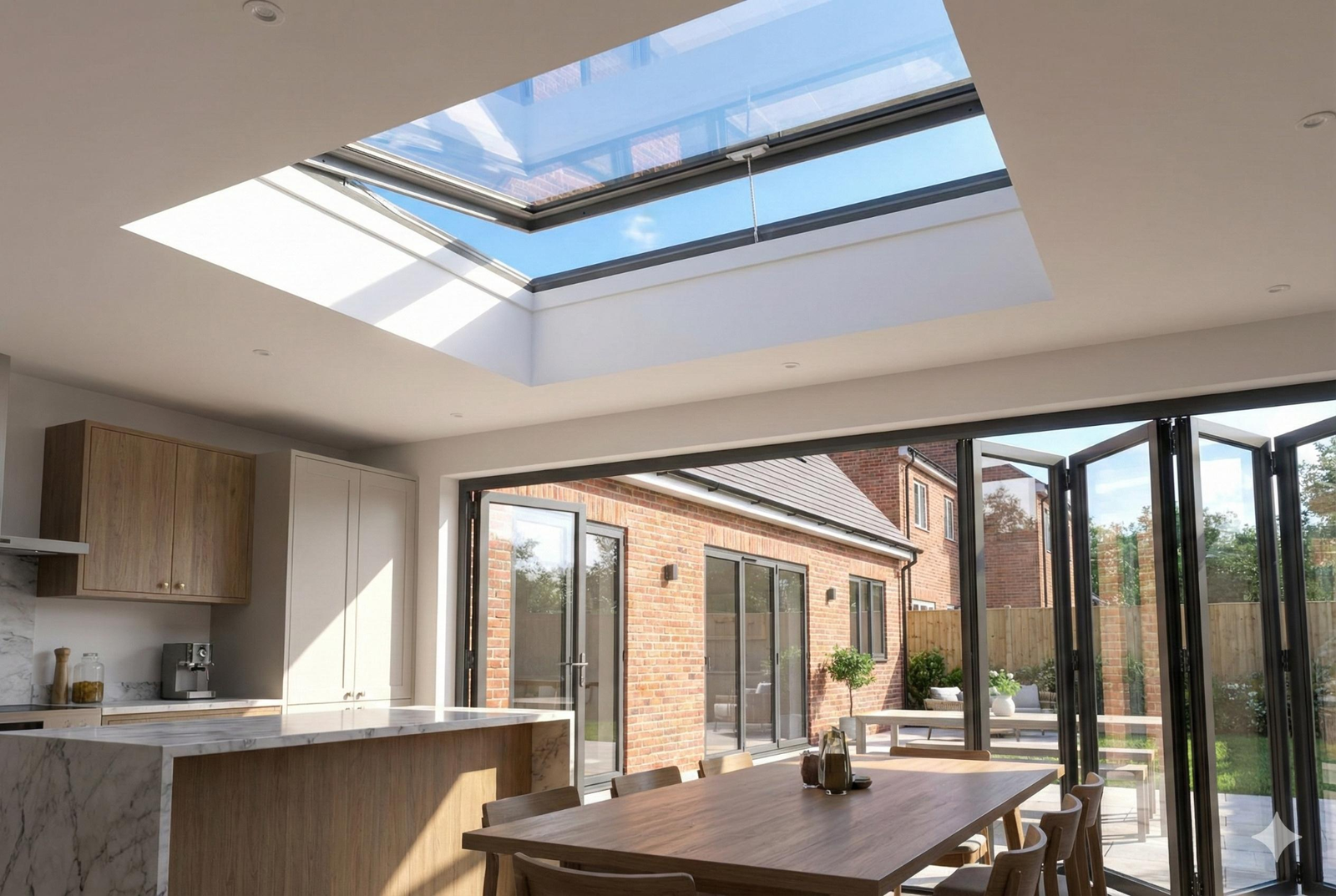
Opening rooflights are designed to provide natural illumination while also allowing controlled airflow through the roof. They can be used across residential, commercial, and industrial buildings, with different designs available for various roof structures and ventilation requirements.
What Are Opening Rooflights?
An opening rooflight is a glazed roof installation that can be opened partially or fully to allow air to circulate. Unlike a fixed rooflight, it combines daylight with ventilation.
The opening mechanism can vary depending on the design. Some units use manual controls, while others operate electrically or through automated ventilation systems. The choice depends on the building, roof access, size of the installation, and how frequently ventilation is required.
These rooflights can be particularly useful in kitchens, extensions, stairwells, offices, workshops, and other areas where warm air or moisture can accumulate.
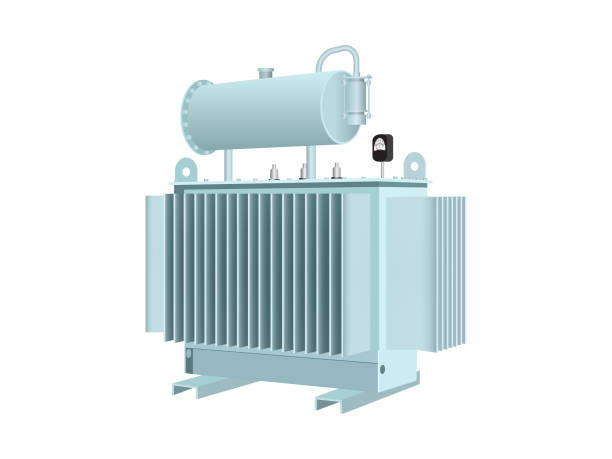
See also: 15kVA Single Phase Transformer: Reliable Solutions for Power Distribution
Why Roof Ventilation Matters
Warm air naturally rises, so roof-level ventilation can be an effective way of releasing heat from a building. Opening a rooflight can create an additional ventilation point without relying entirely on wall-mounted windows.
This can be useful during warmer months, particularly in rooms that receive substantial sunlight during the day. Opening the rooflight for a period can help remove accumulated warm air and introduce cooler outside air.
Ventilation can also be helpful in areas where condensation is a concern. Kitchens, bathrooms, utility rooms, and other moisture-producing spaces may benefit from additional airflow, although the rooflight should form part of a properly designed ventilation system rather than being treated as the sole solution.
Opening Skylight or Fixed Roof Glazing?
The main distinction between an opening skylight and fixed roof glazing is functionality. Fixed glazing provides daylight but does not normally allow the opening to be adjusted for ventilation.
An opening design provides greater control over airflow. This can be useful when occupants want daylight and ventilation from the same installation.
However, an opening mechanism introduces additional components that require consideration. Hinges, seals, handles, electric motors, and control systems can all affect maintenance requirements. Buyers should therefore consider how often the unit will be operated and whether access for future maintenance is practical.
Choosing Rooflights for Flat Roofs
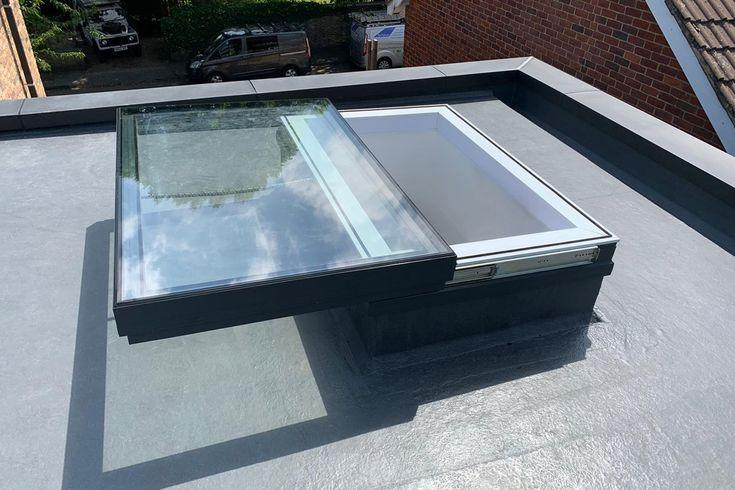
Flat and low-pitched roofs require roof glazing designed for their specific structure and drainage characteristics. Flat opening roof lights can provide daylight and ventilation while being incorporated into suitable flat-roof systems.
The dimensions, upstand requirements, glazing specification, and opening method should all be checked before installation. Drainage is another consideration because water must be directed away from the rooflight rather than allowed to collect around its frame.
A suitable installation also depends on the existing roof construction. Insulation, waterproofing, structural support, and internal finishes may all need to be considered before the rooflight is fitted.
Features Worth Comparing Before Purchase
The appearance of a rooflight is only one part of the decision. Technical specifications can have a greater effect on long-term performance.
Start with the size. A larger rooflight can introduce more daylight, but the available roof area and structural requirements may limit the dimensions that can be installed.
Glazing is another consideration. Different glazing materials and configurations can affect heat retention, solar gain, light transmission, sound reduction, and safety.
The opening mechanism also deserves attention. Manual systems may be suitable for installations that are easy to reach, while electric operation can be more convenient where the rooflight is positioned high above floor level.
Weather resistance should also be checked. Frames, seals, flashing details, and installation methods all contribute to keeping the roof watertight.
Comparing Products and Specifications
People searching for opening rooflights for sale may find a wide range of sizes, materials, opening mechanisms, and glazing options. Comparing products solely on price can make it difficult to identify differences that may affect installation and performance.
Check the manufacturer’s technical information for dimensions, recommended applications, thermal properties, operating methods, and installation requirements.
Warranty terms can also provide useful information. A clear warranty should explain what is covered, its duration, and whether specific installation requirements apply.
For larger commercial or industrial projects, it may also be useful to consider replacement components and after-sales support. A rooflight is intended to remain part of the building for many years, so access to compatible components can matter later.
Buying Rooflights Through Online Suppliers
Purchasing opening rooflights online can make it easier to compare specifications and identify different configurations before making a decision. However, measurements should be confirmed carefully before placing an order.
Check the structural opening, roof construction, upstand dimensions, overall product size, and required accessories. Product photographs can show the general appearance but cannot replace technical drawings and installation information.
Delivery requirements should also be considered. Larger rooflight units may need special handling, and the installation site should be prepared before the product arrives.
If the rooflight requires electrical operation, confirm whether the control equipment is included or needs to be purchased separately. The same applies to flashing kits, upstands, fixings, and other installation components.
Installation and Ongoing Maintenance
Correct installation is essential because the rooflight forms part of the building envelope. Poor fitting can lead to water ingress, heat loss, condensation problems, or difficulties with the opening mechanism.
For this reason, installation should generally be carried out by an appropriately qualified roofing professional who can work with the existing roof system.
Maintenance requirements will depend on the product. Glazing should be kept clean so that natural light is not unnecessarily reduced. Frames and seals can be inspected periodically for signs of deterioration, while moving parts should be checked according to the manufacturer’s recommendations.
Motorised systems may require additional checks of electrical connections, controls, and moving components.
Selecting a Rooflight for the Intended Space
The most suitable rooflight depends on the building and how the space will be used. A small domestic extension may have different requirements from a warehouse, office, or commercial premises.
Consider the amount of daylight required, the desired level of ventilation, the position of the rooflight, ease of operation, glazing performance, and maintenance access.
It is also worth considering the building’s existing ventilation strategy. A rooflight can provide an effective additional opening, but its performance will depend on factors such as room layout, outside conditions, roof design, and other ventilation points.
A careful comparison of dimensions, materials, operating mechanisms, glazing, and installation requirements can help ensure that the selected rooflight is appropriate for the building rather than simply matching its appearance.