24/7 Emergency Tree Services in Dandenong Ranges for Urgent Tree Hazards
Trees are an important part of the natural landscape in the Dandenong Ranges, providing shade, supporting wildlife, and enhancing the beauty of residential and commercial properties. However, severe weather, falling branches, root instability, and tree diseases can sometimes create dangerous situations that require immediate attention. When a tree becomes unstable or causes damage, knowing how to respond safely is essential.
Professional emergency tree services can help property owners manage urgent tree hazards, reduce potential risks, and protect surrounding structures. From storm-damaged trees to fallen limbs and dangerous branches, prompt assessment and appropriate action can help prevent further damage. Understanding when emergency assistance is necessary can make a significant difference in keeping your property safe.
Why Emergency Tree Services Are Important
Tree-related emergencies can occur unexpectedly, particularly during periods of strong winds, heavy rainfall, and severe storms. A tree that appears healthy may develop structural weaknesses, while an existing problem can become more serious after extreme weather.
Broken branches may fall onto roofs, driveways, vehicles, or garden structures. Trees with damaged roots or split trunks may also become unstable, creating risks for people and nearby properties.
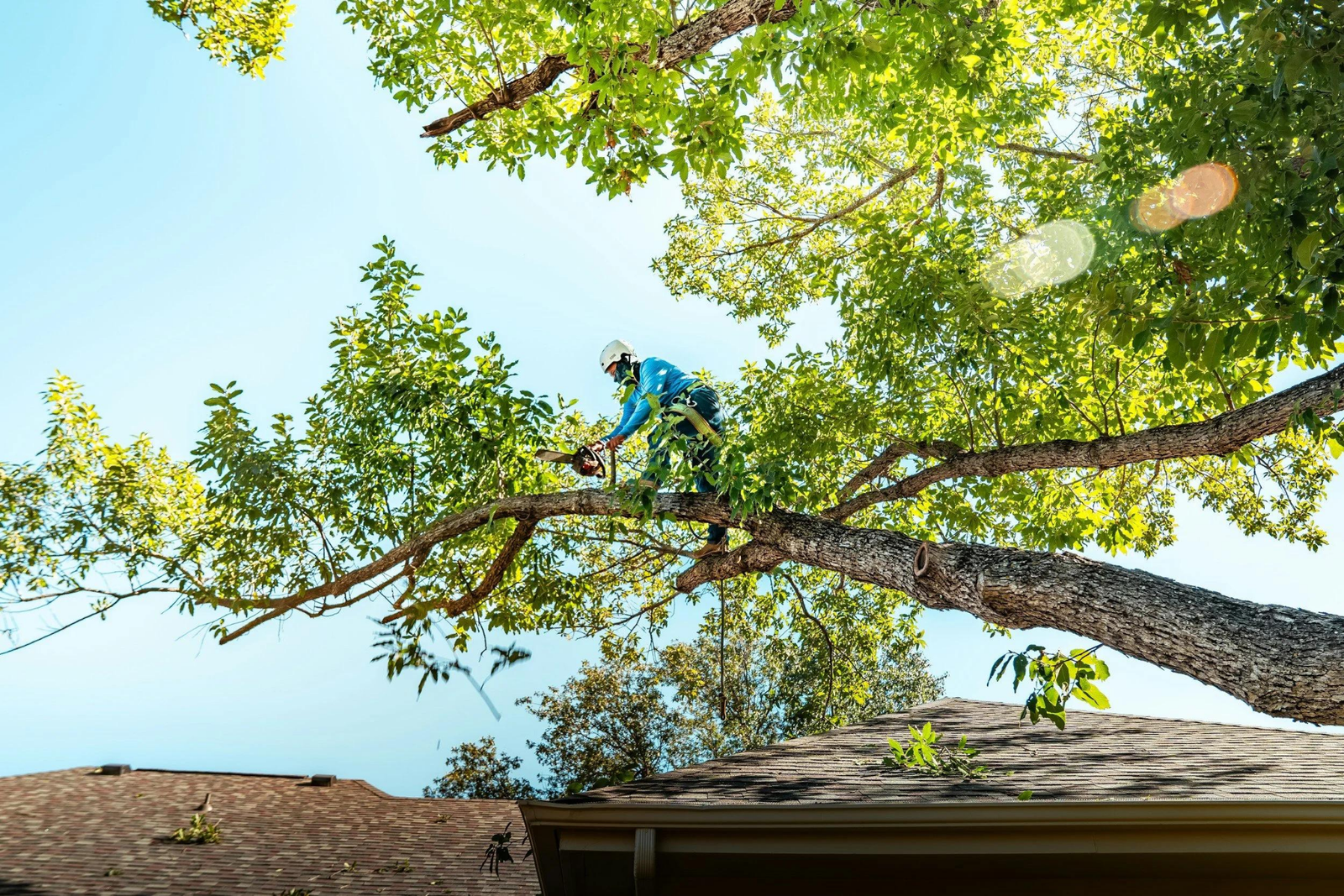
Professional Emergency Tree Services in Dandenong Ranges can help assess these situations and determine the safest way to manage the hazard. Trained tree professionals can identify structural damage, establish appropriate safety measures, and recommend whether a damaged tree can be retained or needs to be removed.
Acting promptly when a serious hazard is identified can help limit additional damage and make the surrounding area safer.
Common Situations That Require Emergency Tree Assistance
Not every tree problem requires an emergency response, but certain conditions should be treated as urgent. Recognising these situations helps property owners understand when to seek professional assistance.
1. Trees Damaged by Strong Winds and Storms
Severe weather can break branches, split trunks, and weaken root systems. Even when a tree remains standing, hidden structural damage may increase the likelihood of failure later.
After a storm, look for visible damage from a safe distance. Large broken limbs, hanging branches, cracked trunks, and disturbed soil around the roots may indicate a serious problem.
Emergency tree professionals can assess the damage and determine the safest course of action. Depending on the circumstances, this may involve removing broken branches, dismantling unstable sections, or removing the entire tree.
2. Fallen Trees Blocking Access
A fallen tree can obstruct driveways, entrances, private roads, and pedestrian pathways. It may also damage fences, vehicles, sheds, or other structures.
Removing a fallen tree can be complicated because branches and trunks may remain under tension or be supported by nearby objects. Cutting these sections without proper training can cause sudden movement and serious injuries.
Professional assistance helps manage the removal process while considering surrounding structures and access requirements.
3. Dangerous or Hanging Branches
Broken branches that remain suspended in a tree can fall without warning. These hazards are particularly concerning when located above footpaths, outdoor living areas, parking spaces, or building entrances.
Avoid walking or working beneath hanging branches. A qualified tree professional can assess the branch and use appropriate equipment and techniques to remove it safely.
4. Trees With Unstable Roots or Damaged Trunks
Root instability and trunk damage can significantly affect a tree’s ability to remain upright. Warning signs may include sudden leaning, lifted soil, exposed roots, large cracks, or movement around the base of the tree.
These signs should not be ignored, particularly after heavy rainfall or strong winds. If a tree appears likely to fall, keep people and pets away from the area and arrange an urgent professional assessment.
How Emergency Tree Services in Dandenong Ranges Work
Emergency tree work requires careful assessment, effective planning, and appropriate equipment. Although every situation is different, a professional response generally involves several important steps.
Step 1: Initial Hazard Assessment
The first step is to evaluate the tree’s condition and identify immediate risks. This includes examining visible damage, the surrounding ground, nearby buildings, access points, and potential obstacles.
The assessment helps determine the level of urgency and whether the area needs to be restricted while arrangements are made for the work.
Step 2: Establishing a Safe Work Area
Before removal begins, the affected area should be secured to prevent people from entering a dangerous zone. This is particularly important when dealing with unstable trees, suspended branches, or damaged structures.
If the tree has contacted electrical power lines, stay well away and contact the relevant electricity provider or emergency services. Never approach or attempt to move the tree yourself.
Step 3: Selecting the Appropriate Removal Method
Depending on the tree’s position and condition, the work may involve removing individual branches, dismantling the tree in sections, or clearing a fallen trunk.
Trees close to buildings or confined spaces may require specialised equipment and carefully controlled cutting techniques. The selected method should minimise additional risks to workers and nearby property.
Step 4: Removing Debris and Inspecting the Area
Once the immediate hazard has been addressed, branches and timber can be removed according to the agreed service. The work area can then be checked for remaining hazards and access issues.
Additional services, such as stump grinding or complete debris disposal, may be arranged when required.
Benefits of Hiring Professional Emergency Tree Specialists
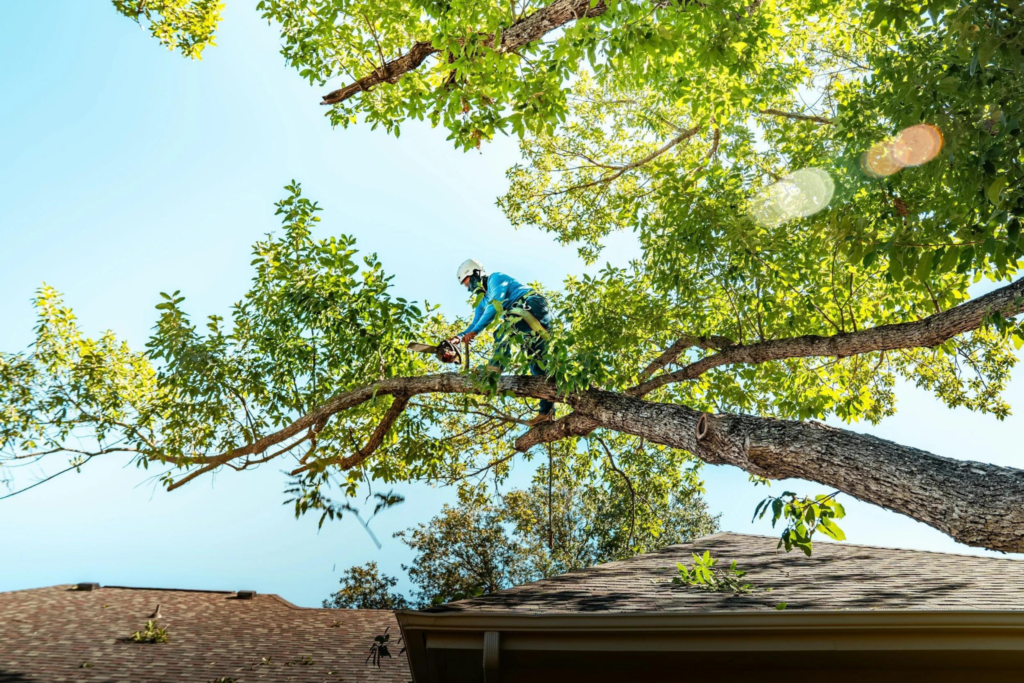
Attempting to handle a dangerous tree without the necessary skills and equipment can lead to severe injuries and further property damage. Professional assistance offers several practical advantages.
- Improved safety: Trained workers understand the risks associated with unstable trees, heavy branches, and specialised cutting equipment.
- Reduced property damage: Careful planning helps protect nearby buildings, fences, vehicles, gardens, and other structures.
- Appropriate equipment: Tree professionals can select suitable tools and access equipment based on the tree’s size and location.
- Efficient hazard management: A structured response helps prioritise immediate dangers and determine the appropriate removal method.
- Responsible cleanup: Arranging debris collection and disposal can help restore access and make the property easier to maintain.
When choosing a service provider, ask about relevant qualifications, insurance, emergency availability, and the scope of work included in the quote.
What Affects Emergency Tree Service Costs?
The cost of emergency tree work varies depending on the nature and complexity of the situation. Understanding the main factors can help property owners make informed decisions.
Tree size and condition: Large trees, split trunks, and unstable trees may require additional labour, equipment, and safety precautions.
Location of the hazard: Trees near houses, power lines, roads, and other structures often require more complex removal techniques.
Accessibility: Steep terrain, narrow driveways, restricted access, and dense vegetation can affect the time and equipment needed.
Urgency and timing: After-hours attendance and emergency callouts may involve additional charges, depending on the provider’s pricing arrangements.
Cleanup requirements: Branch removal, timber disposal, stump grinding, and site restoration may be priced separately.
Request a clear quote wherever circumstances allow, and confirm which services are included. In an immediate safety emergency, however, protecting people from danger should take priority over arranging routine maintenance.
Local Considerations for Tree Emergencies in the Dandenong Ranges
The Dandenong Ranges feature varied terrain, established gardens, mature trees, and properties that may have limited access. These conditions can make emergency tree work more complicated, particularly after storms or periods of heavy rainfall.
Before arranging non-urgent tree removal or substantial pruning, check whether local council regulations, vegetation controls, or planning requirements apply. Certain trees may be protected, and permission may be required for particular types of work.
Emergency situations should still be handled safely and responsibly. Where possible, consult the relevant local council or appropriate authority about applicable requirements.
Property owners should also consider neighbouring properties, shared accessways, and nearby utility infrastructure when planning follow-up work.
What to Do While Waiting for Emergency Tree Assistance
Taking sensible precautions can help reduce risks before a tree professional arrives.
- Keep people and pets away from the affected area.
- Avoid standing beneath damaged trees or suspended branches.
- Do not climb the tree or attempt to cut unstable limbs.
- Stay clear of any tree that has contacted electrical power lines.
- If a tree has damaged a building, leave any area that appears structurally unsafe.
- Contact emergency services if there is an immediate threat to life or public safety.
These precautions are particularly important during severe weather, when additional branches may fall and conditions can change quickly.
Conclusion
Tree emergencies can develop suddenly and create serious risks for people, buildings, and outdoor spaces. Storm-damaged branches, fallen trees, unstable roots, and cracked trunks all require careful assessment to determine the safest response.
Professional Emergency Tree Services in Dandenong Ranges can help property owners address urgent hazards through appropriate assessment, controlled tree removal, and responsible debris management. Understanding warning signs, choosing qualified professionals, and following essential safety precautions can help reduce the risk of further damage.
Although not every damaged tree requires complete removal, serious structural problems should never be ignored. By responding promptly to dangerous conditions and arranging appropriate professional assistance, property owners can help maintain a safer environment for their families, neighbours, and surrounding community.