Fixed Pitched Roof Windows for Brighter More Comfortable Homes
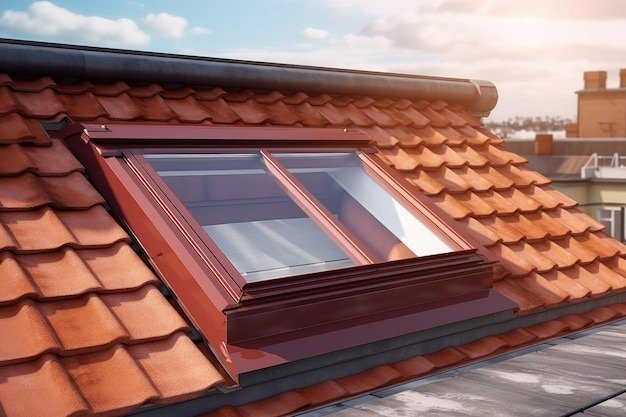
Natural light can change the feel of a room without altering its size, layout, or furnishings. A darker loft, converted attic, or upper-floor room can feel more open once daylight enters from above. For homeowners planning this type of improvement, fixed pitched roof windows offer a practical way to introduce more daylight while maintaining a clean roofline. Skylights Roof Lanterns provides roof glazing options suited to different residential spaces, helping homeowners make better use of rooms that may otherwise feel enclosed.
Why Roof-Level Daylight Makes a Difference
Windows installed in a pitched roof allow sunlight to enter from an elevated position, often reaching parts of a room that vertical windows cannot illuminate as effectively. This can be particularly useful in loft conversions, stairwells, home offices, bedrooms, and extensions beneath sloping roofs.
The position of the glazing also changes the visual character of a room. Light coming from above can reduce dark corners and create a more open appearance. During daylight hours, this may reduce the need for electric lighting, especially in rooms that receive limited light through conventional windows.
Fixed roof windows do not have opening mechanisms, so their primary purpose is to provide daylight rather than ventilation. For rooms that already have suitable ventilation, this straightforward design can be a useful choice.
A Practical Choice for Pitched Roofs
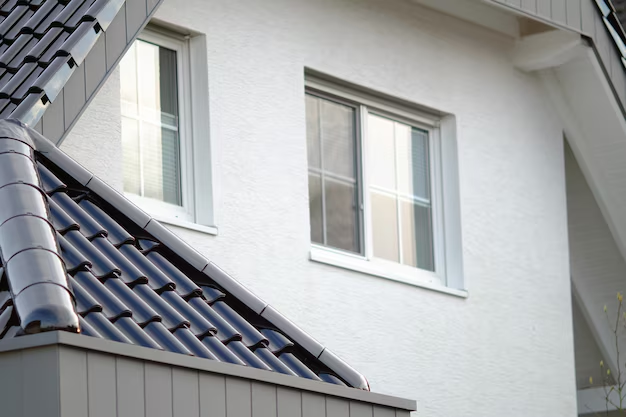
Pitched roofs have a natural slope that creates an ideal surface for roof windows. A properly selected window can follow the angle of the roof while allowing daylight to enter without taking up valuable wall space.
This can be especially helpful in compact rooms. Furniture, shelving, wardrobes, and other fixtures can occupy most of the available wall area, leaving little room for traditional windows. Roof glazing uses the roof plane instead, preserving wall space for other purposes.
Installation should always take the roof structure, dimensions, pitch, flashing, insulation, and waterproofing requirements into account. A suitable product and correct installation help maintain the roof’s weather resistance while providing the desired amount of daylight.
Making Loft Rooms More Comfortable
Loft spaces often have an unusual combination of advantages and limitations. They can provide valuable extra floor area, but sloping ceilings and limited wall space can make them feel darker than rooms on lower floors.
A fixed pitched roof window can bring daylight directly into these areas. A home office, reading area, guest bedroom, or hobby room can benefit from a brighter atmosphere without requiring major changes to the floor plan.
The placement of the window matters as much as its size. A larger window is not automatically the right choice for every room. Several factors, including roof orientation, room dimensions, surrounding buildings, and the amount of existing glazing, should be considered before selecting the final configuration.
Keeping the Design Simple
Modern homes often favor clean lines and uncluttered interiors. Fixed roof windows can support this style because the glazing provides a strong source of daylight without adding unnecessary visual elements to the room.
The simplicity of a fixed unit can also suit spaces where ventilation is handled through other windows, vents, or mechanical systems. There are fewer moving components to operate, making the window primarily a daylight feature.
Frame finish and glazing specification can also influence the overall appearance. A well-matched roof window should complement the roof covering and interior finishes rather than appearing disconnected from the rest of the building.
Energy and Daylight Considerations
Natural daylight can reduce dependence on artificial lighting during the brighter parts of the day. The actual benefit depends on factors such as window orientation, glazing performance, room size, seasonal sunlight, and the surrounding environment.
Glazing specification deserves careful attention as well. Modern roof windows can be designed with thermal performance in mind, helping limit unwanted heat transfer between the interior and exterior. This matters particularly in lofts and upper-floor rooms, where temperatures can fluctuate considerably.
Homeowners should consider both daylight and thermal performance rather than choosing a window based only on its appearance. The right balance can make a room pleasant throughout different seasons.
Where Fixed Roof Windows Work Well
These windows can suit many areas of a residential property, including:
- Loft bedrooms with limited wall space
- Home offices beneath pitched roofs
- Stairwells that receive little daylight
- Converted attic rooms
- Kitchen or dining extensions
- Bathrooms with suitable privacy glazing
- Reading rooms and quiet living spaces
Each application has different requirements. A bedroom may benefit from carefully controlled daylight, while a home office may need a well-positioned window that reduces dependence on artificial lighting during working hours.
Bathrooms and other private spaces may require suitable glazing for privacy. The roof structure and interior layout should also be assessed before installation.
Planning the Right Window Position
Positioning deserves attention before any roof work begins. The window should provide useful daylight without creating excessive glare or unwanted heat gain.
Furniture placement can help determine the best location. For example, a home office desk positioned beneath a roof window may receive excellent daylight, but direct sunlight at certain times of day could cause glare on a screen. Blinds or appropriate glazing can help manage this issue.
Roof orientation is another consideration. A south-facing roof may receive strong sunlight for long periods, while a north-facing roof may provide softer, more consistent daylight. Local surroundings, including trees and nearby buildings, can also affect the result.
Installation and Long-Term Performance
A roof window needs more than a well-designed frame. Flashing, sealing, insulation, and integration with the existing roof covering all contribute to long-term performance.
Professional installation can help ensure the window is correctly positioned and properly sealed against rain and wind. The surrounding roof construction should also maintain suitable insulation levels to reduce the risk of unwanted heat loss or condensation.
Regular cleaning and inspection are useful after installation. Keeping the glazing clear allows maximum daylight into the room, while checking surrounding seals and finishes can help identify maintenance needs early.
See also: Why Businesses Need Professional Commercial Electrical Contractors
A Simple Way to Add More Daylight
A fixed pitched roof window can provide a practical daylight improvement without changing the basic layout of a home. It makes use of an otherwise underused roof surface and can give lofts, offices, extensions, and other upper-level spaces a brighter character.
The best results come from choosing the right size, glazing specification, position, and installation method for the property. Homeowners considering roof glazing can discuss their requirements with Skylights Roof Lanterns and contact us today to explore suitable options for their pitched roof. A carefully planned installation can bring useful daylight into the home while keeping the design clean and functional.