Steel Recycling in Melbourne Can Support Cleaner Decommissioning and Demolition Projects
Demolition programmes are planned around access, safety and timelines, and the steel coming out of the structure is usually treated as an afterthought. Steel recycling in Melbourne rarely appears on the programme until the material is already piling up, by which point it is blocking access and costing the project time.
Planned properly, that same material becomes one of the few parts of a demolition that returns money rather than consuming it. Steel recycling in Melbourne works best when recovery is written into the sequence from the first week, so steel leaves the site as it is cut rather than accumulating in the working area.
Steel Recovered During Commercial Demolition and Decommissioning
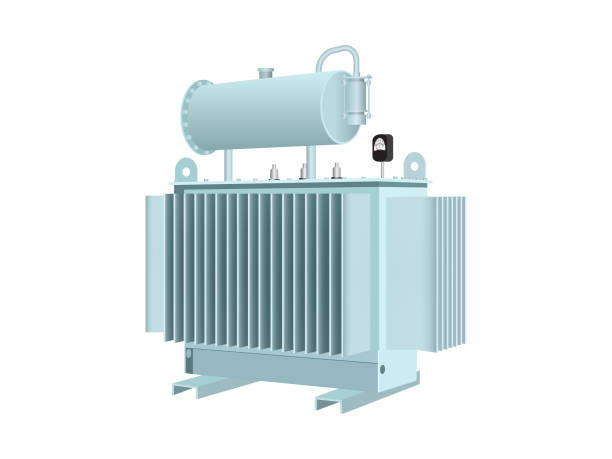
Recoverable Steel Inside a Decommissioned Building: Structural beams, columns, reinforcing bar, roof sheeting, handrails, pipework, tanks and redundant plant all hold recoverable ferrous content. Decommissioning a factory usually yields more than demolition alone, because the machinery, conveyors and racking come out intact. Each of these carries a different grade, and the separation made on site decides the value.
How Options Narrow Once Material Is Left to Accumulate: Steel left to pile up loses value and creates a second problem, because it gets buried under masonry, timber and general rubbish as the work advances. Demolition contractors across Melbourne routinely see loads rejected or downgraded for contamination that began as a simple storage decision. Recovering that material later costs more in labour than it returns.
Clearing Recyclable Steel Without Obstructing the Programme
Staged Removal Keeps the Working Area Clear: Steel should leave the site in stages that match the demolition sequence rather than in one final clean-up. A designated laydown area near the exit, emptied as it fills, keeps machinery paths open and protects the landfill diversion rate recorded for the project. Clear ground also reduces the trip and crush risks that come with stacked material.
Separation Happens Faster at the Point of Cutting: Material sorted as it comes down needs no second handling, which is where most of the cost sits. Ferrous steel, non-ferrous copper and aluminium, and general rubble each go to their own position the moment they are cut free. Steel recycling in Melbourne returns most on loads kept clean from the first day.
Coordinating Manpower, Transport and Collection on Site
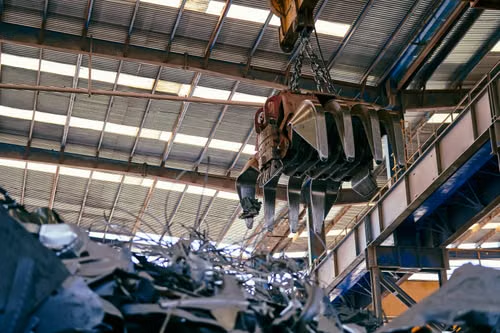
Labour Planned Around Cutting and Loading: Recovery works when the crew cutting the steel and the crew moving it are scheduled together. A team that cuts faster than the material can be shifted simply builds a stockpile in a different corner. Access for a truck and a crane or grab also has to be agreed before the first section comes down.
Bin Sizes and Collection Frequency Match the Volume: Collection frequency should be set from the expected tonnage of each phase rather than a fixed weekly slot. Heavy structural phases need larger containers or direct truck loading, while fit-out strip-outs suit smaller bins swapped more often. Collection services of this scale are arranged for commercial and industrial sites with substantial volumes.
Mixed Demolition Waste Compared with Segregated Steel Recovery
One Skip for Everything Costs Twice: Sending all demolition arisings out as mixed waste means paying disposal on material that had a market value. Segregated recovery adds a sorting step on site and returns a payment on the ferrous load, while giving the project the documentation a waste management plan normally requires. The trade-off is space and a little more coordination.
When Mixed Disposal Still Makes Sense: Mixed disposal remains reasonable on small strip-outs, on sites with no room to store separated material, and where the steel content is minor. Larger commercial demolitions sit at the opposite end, because the tonnage is high, the grades are predictable and the saving on disposal alone often justifies the extra handling.
Value Recovered from Redundant Steel and Less Material Sent to Landfill
Disposal Costs Avoided Count as Much as the Return: The financial case has two halves, and the tipping fees never paid are usually the larger one. Every tonne diverted removes a disposal charge and adds a weighed return, so the gap between the two approaches widens as the project grows. Both figures belong in the demolition estimate from the start.
Recovered Steel Re-enters the Supply Chain: Steel can be melted and reformed repeatedly without losing its structural properties, which is why recovered material feeds straight back into new production. Steel recycling in Melbourne keeps redundant structural sections out of landfill and returns them to manufacturers, cutting the raw ore and energy needed for equivalent new steel.
See also: What Counts as a “Deadly Weapon” in California? Navigating Complex Legal Definitions in L.A. County
Practical Considerations Before Steel Leaves a Demolition Site
A handful of decisions made in the planning stage determine whether steel recycling in Melbourne supports the programme or competes with it. Most relate to sequencing and site layout rather than additional cost, and each is easier to settle before machinery arrives than halfway through the strip-out. Site supervisors carry these decisions day to day.
- Contaminated loads are graded to the lowest material present, so timber and plastic in a steel bin reduce the whole return.
- A laydown area positioned near site access saves double handling on every tonne that leaves.
- Weighbridge dockets give the project a verified record of material diverted from landfill.
- Redundant plant and machinery often hold higher grade metal than the structure around them.
- Individuals with small quantities of scrap should call the office to be referred to a local collector.
Demolition That Leaves the Ground Clean and the Ledger Better
Recovery Reflects on the Contractor and the Client: Projects are increasingly judged on what happened to the material as much as on the finished site. A demolition that can show tonnages recovered, grades sorted and material diverted gives the client evidence for reporting obligations. That record is straightforward to produce when collection is documented as the work proceeds.
Planned recovery turns the heaviest part of a demolition into a return rather than a disposal line, and keeps the site workable while the job runs. Left until the final week, the same steel is buried, contaminated and worth a fraction of that. Contact the office to arrange a site assessment and collection schedule before the programme begins.