Understanding Your Craft through Espresso Machine Design
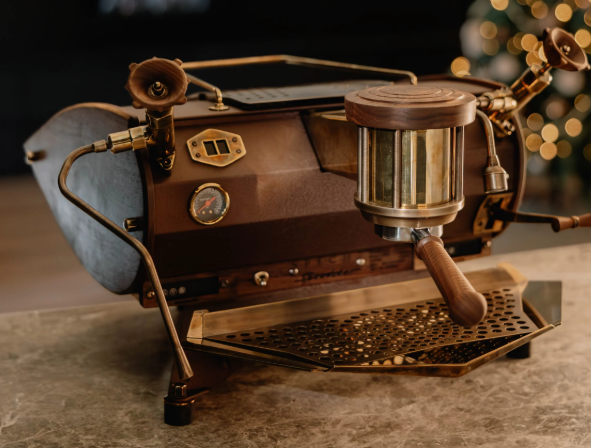
Discovering the Inner Workings of Your Daily Brew The experience of crafting specialty coffee at home is one of pure joy and satisfaction in the fusion of art and science. As you watch a competent barista make that perfect shot of espresso, everything seems easy. But in reality, there is an intricate orchestration of mechanics going on behind the scenes. Everything from the water tank to the pump and the group head has a distinct mechanical function. Knowledge of the internal mechanics of your machine makes this seemingly complex process simple. From troubleshooting the unexpected flow of extraction to making an informed decision when purchasing your machine, the knowledge of individual parts comes in handy. It enables you to appreciate the complexity in temperature stabilization, pressure management and fluid dynamics that goes into the process of coffee making. With all this in mind, you can advance your coffee making skills to the next level.
Thermal Engine: Boilers, Heat Exchangers, and Thermal Stability
Water Temperature There is one parameter that influences the way your espresso tastes more than any other – the temperature of the water used in the process. The best way to achieve thermal stability is through the use of sophisticated boilers that can heat up the water instantly and sustain its temperature. The espresso boiler acts as the thermal heart of the appliance, keeping water at the precise temperature required for optimal extraction. In double boiler systems, there is an additional service boiler that heats the water to produce steam under high pressure without disturbing the thermal balance of the brewing water. This isolation ensures that the temperature does not fluctuate while you are shooting espresso and steaming the milk. PID digital controllers control the heating chambers constantly and make necessary changes to avoid thermal overshoots. The purchase of a device with well-developed boiler system gives you the opportunity to have perfectly consistent shots of coffee.
Pressure and Flow: The Importance of the Espresso Pump
Water pressure is what makes espresso out of ground coffee and creates a cup of coffee full of aroma and topped with delicious crema. In the interior of an espresso machine, the espresso pump keeps working hard to make the water pass through the whole system at commercial standards of pressure, which is usually about nine bars. High-end machines for prosumers use commercial rotary pumps, which are famous for being quiet and durable, and able to operate for thousands of shots. Vibratory pumps are quite loud and create spikes in pressure that crack the coffee puck and lead to channeling, while rotary pumps make water pass through evenly. This means that the soluble solids, oils, and aromatic compounds are extracted perfectly. Knowledge about the type of pump in your machine helps you understand its pre-infusion abilities and flow profile settings better.
The Synergy between Group Head, Portafilter and Filter Basket
When pressurized water comes out of the heating element and pump, it goes straight to the group head, which marks the beginning of the extraction process. The heavy brass or stainless steel group head is always thermally connected to the portafilter that is locked in, thus ensuring there is no loss of heat as the water passes through into the coffee puck. The portafilter becomes the key instrument that holds the ground coffee in the extraction process, and uses filter baskets to accomplish this function. The filter baskets come with multiple tiny holes to distribute the water equally to the coffee puck to avoid any channels or unequal extraction process. Taking care of the assembly by regular backflushing, cleaning the group head and replacing the gaskets is necessary to avoid the buildup of bitter oils and create a perfect hydraulic seal.
Texturing Milk: The Steam Wand’s Craft and Technique
In the world of those who are fans of lattes, flat whites, and cappuccinos, the steam wand is the most important addition to the set of equipment, providing the entire barista experience at home. Directly connected to the high-pressure steam boiler, this wand produces dry and strong steam for heating and foaming of the milk at once. Texturing of the milk requires placing the steam tip below the milk surface to introduce air, forming tiny bubbles, referred to as the microfoam. In the process of texturing, liquid milk is transformed into a smooth and shiny product with natural sweetness which goes well with the espresso. Current models include cool-to-the-touch wands and comfortable steam levers, providing both safety and comfort of using this element, which does not allow milk to burn on the metal surface. Using the steam wand, you will be able to pour latte art, thus turning your morning drink into a real work of culinary art.
See also: Why Businesses Need Professional Commercial Electrical Contractors
Comprehensive education for navigating the journey with your equipment
The process of learning about the technicalities of your home coffee machines may be difficult, particularly considering the differences between the pumps, boilers, and other technicalities. Comprehensive educational resources, such as a detailed espresso machine guide, provide the clarity needed to make confident purchasing and maintenance decisions. These materials contain useful information based on the principles of engineering which will allow you to extract maximum benefit from your machine. Proper care of your equipment will consist of proper cleaning and descaling, as well as replacement of parts. This combination of technical knowledge and practice will raise your home brewing skills and bring out the best in your specialty coffee. Enjoy the unique skill of preparing espresso and the incomparable pleasure of being a professional coffee craftsman at home.